
Love triangle romance books put one heart between two rival love interests, and that tug-of-war is why they're so hard to put down. You know the feeling: you promise yourself just one more chapter, and suddenly it's 2 a.m. and you still need to know who wins. Readers are hungry for them, too. Circana reported on June 4, 2025, that U.S. year-to-date print romance sales were up 24% over the same period in 2024, with 51 million units sold in the preceding 12 months.
The genre promise is simple: a central love story and an emotionally satisfying ending, as defined by Romance Writers of America. Take Jenny Han's The Summer I Turned Pretty trilogy, where Belly's choice between Jeremiah and Conrad stretches across three books of swoon-worthy tension. On one Simon & Schuster recommendation page, sample print prices for selected love triangle titles run from $12.99 to $36.99. Prices vary by retailer, so a steamy binge doesn't have to cost a fortune.
Every love triangle asks you one question, and it keeps asking it until the last page: who will she choose? Whether you're following a teen torn between two boys or a grown woman weighing two men, that open question is what keeps your thumb turning pages. Each scene either nudges the answer one way or makes you doubt the choice you thought you'd already made.
The emotional pull comes from three places. The first is divided loyalty, when you like both men for different reasons and hate that you can't simply pick one. The second is longing, the ache of wanting someone you can't fully have yet. The third is second thoughts, those moments when you're sure of the winner until one look or one memory changes everything. Put those together, and every chapter ending feels like a cliffhanger.
Before you start, check the genre promise. Under the standard definition, romance centers on a love story and ends on an emotionally satisfying, optimistic note. A triangle can sit inside that promise, or it can be one thread in broader fiction. Under the Lights by Abbi Glines, which follows three teens from a small Southern town, reads as a romance with a bruising edge. Broken Country, by contrast, uses its triangle to dig up dangerous, deadly secrets from the past, so the mystery may matter as much as the romance.
Some triangles take their time. In All the Men I've Loved Again, a woman nearing forty faces a choice between two men she loved in her early twenties, nearly two decades later. The Spirit of Love by Lauren Kate takes a stranger route, splitting one man into younger, carefree and older, jaded versions, which makes every choice feel like a fresh gamble.
Readers are clearly in the mood for this kind of drama. A recent industry report found that 26% of romance book buyers were reading "much more" than a year earlier, and romantasy and sports romance each posted triple-digit growth. If you love a steamy, swoon-worthy binge, there has never been a better time to start.

The love triangle type that fits you best depends on the mood you want, so start with the feeling you're craving tonight. Each of the four reading experiences feels different, and matching one to your mood makes the binge that much sweeter.
Pay attention to your own reading habits, too. If you tend to skim the romance and linger on plot twists, a suspense triangle will keep you turning pages. A reader who savors slow emotional shifts will likely find a second-chance story more satisfying.
The best teen love triangle books to try are Jenny Han's The Summer I Turned Pretty trilogy and Abbi Glines' Under the Lights. Both deliver first crushes, high drama, and the kind of story you'll want to keep reading long after you should be asleep.
Start with Jenny Han's trilogy, which is made up of three books: The Summer I Turned Pretty, It's Not Summer Without You, and We'll Always Have Summer. The whole series hinges on one question: will Belly choose Jeremiah or Conrad? Because that question is spread across three books, you get a long, cozy stretch of summer days, inside jokes, and glances that mean far more than they should.
Part of the fun is how completely the setting pulls you in. Sunny beach days, late-night talks, and the feeling that every summer might be the last all make the choice feel enormous. You're not just picking a boy. You're deciding what kind of summer, and what kind of growing up, you want to remember.
Under the Lights takes a different route. It follows three teens from a small Southern town who get caught in a dramatic love triangle. In a place where everyone knows everyone, every party, every text, and every awkward run-in becomes a loaded moment. The small-town setting keeps the pressure high, and the tension rarely lets up.
If you're planning a weekend binge, the trilogy is the obvious choice. Start with the first book on Friday night, move into the second on Saturday, and close out the story with the third on Sunday. You'll get the full emotional arc, from first crush to final choice, without a cliffhanger left hanging for long.
If you only have one evening free, Under the Lights is a strong pick for a single, intense sitting. It packs its triangle into a tighter story, so you can get swept up fast and still have time to talk about your favorite scenes with a friend the next morning.
Many readers also like to pick up the trilogy as a boxed set, which keeps all three books together on the shelf for your next rainy weekend. Whichever you choose, you'll find that teen triangles hit hard because the feelings are brand new, and that's exactly what makes them so hard to put down.

Adult second-chance love triangles are worth the heartache if you enjoy romance that lingers on memory and feeling. They trade the giddy rush of first crushes for something quieter: the weight of years, the people you've become, and the choices you can't take back.
All the Men I've Loved Again puts that weight at the center. Its heroine is a woman nearing forty who must choose between two men she loved in her early twenties, and nearly two decades separate that old love from the present. Those years do much of the heavy lifting. Every memory she revisits carries a question about who she was then and who she has become.
Memory and regret drive the story in a way teen triangles rarely manage. A teenager's regret is often about a missed dance or an unanswered text. An adult's regret is about a whole path not taken, and that gives every scene a sharper ache. You can feel her wondering what would have happened if she had chosen differently, and you wonder right along with her.
So why do readers who love emotional, reflective romance prefer this type? Part of the answer is that the stakes feel real. Grown-up characters have careers, histories, and responsibilities, so a reunion can't be solved with one summer kiss. They have to weigh the person they are now against the person they were, and that tension keeps the pages turning slowly but steadily.
The genre promise helps too. Romance Writers of America describes romance as a central love story with an emotionally satisfying ending, and it notes that the ending can be happily ever after or happily for now. Second-chance stories often lean on that "for now" phrasing. A reunion can feel hopeful without tying every loose thread into a neat bow, and that mix of hope and uncertainty suits readers who want a story that stays with them after the last page.
If you're new to this type, look for a blurb that mentions shared history or years apart. Those signals usually mean the story will spend as much time in the past as in the present. Pair one of these with a lazy weekend and a cup of tea, and you'll have a binge that feels as much like reflection as romance.
Time-slip love triangles move the tug-of-war out of one timeline and into two. Instead of choosing between two rivals, you get to compare the same man at different stages of his life, which makes every decision feel personal.
Lauren Kate's The Spirit of Love is a 336-page novel that Penguin Random House lists as published July 1, 2025. Its triangle splits one man into two versions: a younger, carefree self and an older, jaded one. You'll find yourself asking whether the boy who made you laugh is still hiding inside the man who guards his heart.
That comparison is the real hook. When the past and present versions of a love interest share the same page, every memory becomes evidence. You start reading for clues, noticing what changed, what stayed the same, and which version you'd really choose.
Fantasy triangles add another layer of pleasure. When a story bends time or wraps its romance in magic, the swoon feels bigger, and the setting becomes a character in its own right. Romantasy fans, who drove some of the fastest growth in romance sales this year, often want exactly that: a lush, magical world with a love story at its heart.
If you're hunting for this kind of read, scan the blurb for words like "split," "years later," or "reborn." Those signals usually mean the story jumps between eras, so the book will reward your full attention. Time-slip plots can get tangled if you read in short bursts, so save one for a long evening when you can settle in and let the timelines unfold.
Mystery and suspense triangles fit in where the love triangle is woven into a crime, a buried secret, or a race against danger, so the romance shares the page with the plot. You still ache over who wins, but that question competes with another one: what really happened, and who is hiding the truth?
Simon & Schuster describes Broken Country as a mystery in which a love triangle unearths dangerous, deadly secrets from the past. That means a tense glance or a sharp argument might be a clue as much as a romantic moment. You can't always tell whether a character's reaction is about heartbreak or about the truth coming out.
That blend is a big reason suspense romance ranks among the fastest-growing romance subjects. If you want a binge that keeps your pulse racing while you root for two rivals, this mix gives you both thrills at once.
The difference from a pure romance promise lies in what you're guaranteed. A classic romance centers on a love story and ends on an emotionally satisfying note. A suspense triangle can deliver the same tug-of-war but makes no such promise, because the chase may cost someone their happy ending. If the outcome matters to you, don't assume the love story will win.
Here's a practical tip: before you buy, check whether the book is marketed as romance or as broader suspense fiction. A romance label signals that the love story is the main event. A suspense or mystery label signals that the danger and twists come first, and the romance may take a back seat or end on a bittersweet note.
Reading the blurb helps too. Look for words like "secrets," "investigation," or "the past" alongside the love story. Those clues suggest the triangle is a thread running through the mystery rather than the whole tapestry. Keep a notepad nearby for suspect lists, because a suspense triangle rewards the reader who pays attention to every glance.
Teen triangles feel sweet and nostalgic, adult second-chance stories feel reflective and emotional, time-slip fantasies feel magical and romantic, and mystery triangles feel tense and secretive. The table below helps you match a type to the mood you want tonight.
| Triangle type | Example title | Main feel | Best for |
|---|---|---|---|
| Teen coming-of-age | The Summer I Turned Pretty | Sweet and nostalgic | A long, cozy binge across three books |
| Teen coming-of-age | Under the Lights | Dramatic and small-town tense | One intense evening |
| Adult second-chance | All the Men I've Loved Again | Reflective and emotional | Slow, memory-rich reading |
| Time-slip fantasy | The Spirit of Love | Magical and romantic | A dreamy, uninterrupted evening |
| Mystery and suspense | Broken Country | Tense and secretive | Readers who love clues and twists |
Your reading time matters as much as your mood. The Summer I Turned Pretty works well on a weekend when you can move from one book to the next. Under the Lights fits a single free evening and is the shorter commitment of the two teen picks.
Budget can shape your choice too. On one Simon & Schuster listing, Under the Lights is a $12.99 print edition, while the trilogy's boxed set is $36.99. Those are sample prices, and what you pay will depend on where you buy.
Think about how much you want the romance to win. In a classic romance, the love story leads and the ending feels satisfying. In a suspense triangle like Broken Country, a secret may matter more than the couple, so keep your expectations flexible if you're hoping for a happy finish.

You can find love triangle books for less by borrowing from the library, comparing ebook and print options, and trying one title before you commit to a whole series. Your budget can stretch further than you might expect.
Start with your library. Many public libraries carry popular teen and adult romance, and some also lend ebooks and audiobooks through a free app with your library card. Search for titles like Under the Lights or All the Men I've Loved Again, and place a hold if every copy is checked out. Holds can take a while at busy branches, so get on the list early.
Ebooks are another easy way to save. An ebook often costs less than a print copy, and it lets you start a binge the moment you finish dinner. Check your library's catalog first, because a free borrow beats any purchase.
Watch closely when a series is sold as a boxed set. On one Simon & Schuster recommendation page, the sample print price for Under the Lights is $12.99, while the sample price for The Summer I Turned Pretty trilogy boxed set is $36.99. These are sample prices only, since every retailer sets its own. Before you buy, compare the same edition at a few stores, and add up the single volumes so you know whether the boxed set is really the better deal for you.
Once you've found a format, shop smart. Here are a few habits that help:
Above all, start with a single title before committing to a series. Pick up the first book of The Summer I Turned Pretty, or give Under the Lights a single weekend night. If the love triangle has you hooked, buy the next volume with confidence. If it doesn't, you've only spent the cost of one book, and your next binge-read is still waiting for you.
Start by checking how much time you have this week. If you've got a free evening, pick up Under the Lights, a tight, small-town triangle you can finish in one sitting. If you have a whole weekend, start The Summer I Turned Pretty and let Belly's choice unfold across all three books.
Then match the book to your mood. If you're craving something reflective, try All the Men I've Loved Again, where a woman nearing forty revisits two men she loved in her early twenties. If you want something magical, The Spirit of Love, with its younger and older versions of one man, makes a dreamy pick for a quiet night.
Before you buy or place a library hold, read the blurb and look at how the book is labeled. A romance label means the love story should carry the book. Words like "secrets" or "investigation" signal that Broken Country leans toward mystery, so keep your expectations flexible if you're hoping for a neat happy ending.
Finally, give yourself one sitting. Read the first chapter, and if you're already wondering who she'll choose, you've found your next binge-read. Text a friend your pick and start trading theories about how the triangle will end.
Young adult romance is a love story where teen life drives the plot, from first crushes and locker-side glances to friend groups and family drama. Romance Writers of America says every romance needs a central love story and an emotionally satisfying, optimistic ending. Young adult romance keeps both while putting school, friendships, and first-time feelings at the center. You still get the flutter of a stolen look, just with a chemistry test or a prom invitation tangled up in it.
Ready for a place to start? Lynn Painter's Better Than the Movies follows Liz, a high-school student hoping for a prom-date moment, as she grows closer to her neighbor Wes. The publisher lists it for ages 12 and up, and the trade paperback carries a $12.99 list price, though retailer prices may vary. Since "YA" doesn't tell you how steamy a book gets, check the premise, the publisher's age guidance, and the content notes before you commit. The Young Adult Library Services Association defines young adults as ages 12 through 18, which makes a handy starting point. Your library's teen shelves and digital catalog are great places to find swoon-worthy stories for free, so you can binge-read a new favorite without overspending.
Young adult romance is a love story in which teen life is an integral part of the plot, while adult romance usually centers on grown-up lives. The love story matters just as much in both. What changes is the world around the couple, and that world shapes every choice the characters make.
Every romance you pick up shares two basics. First, it has a central love story. Second, it ends on an emotionally satisfying, optimistic note. Romance can also range from sweet to extremely hot, so the heat level is a separate question from the genre itself. Young adult romance keeps both basics and simply puts a different life at the center.
In YA, the stakes are the ones you remember from your own teen years. Think about a prom invitation that arrives at the worst possible moment, a class schedule that keeps two crushes in the same hallway, a friend group that takes sides in a fight, or a first heartbreak that feels like the end of the world. These problems are small in the grand scheme, but the characters treat them as enormous, and that intensity is a big part of the fun.
Adult romance works differently. The conflicts often involve careers, a job offer across the country, a mortgage, a blended household, or a custody schedule. Characters have bills to pay and people depending on them, so their love has to fit around real responsibilities. Both kinds of story can be swoon-worthy, but the pressure on the couple feels different.
You can see that shift clearly in the Better Than the Movies series. The sequel, Nothing Like the Movies, came out on October 1, 2024, with 448 pages. The publisher lists it for ages 14 to 99, and its description follows Wes and Liz as college students. The characters have grown up, and the story has grown up with them, moving from high school hallways to campus life.
Because the YA label describes the story's focus and audience, it doesn't promise a particular level of sensuality. Some YA titles are sweet, while others include more heat, so check before you commit. Look at the premise, the publisher's age guidance, and any content notes. A teen-focused blurb is a good sign, but the details tell you the rest.
Market trends are also shaping what gets published. Publishers Weekly reported that editors expected demand for light, fun romantic reads in 2025. It highlighted Sabrina Fedel's upcoming All Paths Lead to Paris, a story about a fashion influencer caught in a fake-dating plot. That mix of playful premise and big romance is exactly the sort of story many readers are hunting for right now.
The numbers paint a mixed picture. Circana BookScan data showed that the U.S. young adult market sold 1.2 million fewer units in 2024 than in 2023, while romance was one of the growth areas within YA. Across all categories, U.S. print-book romance sales rose 3.9% to almost 44 million units in 2025. Romance is clearly a bright spot, which makes this a great time to explore.
Better Than the Movies is a useful example because it shows what a good teen rom-com looks like on the page. Liz has a clear goal, a prom-date moment that feels like it belongs in a film, and the story gets its charm from how far real life drifts from that picture. You get the playful tone and the high school setting, and the romance grows out of ordinary days rather than grand gestures.
The best rom-coms make you care about the small steps. Liz's crush is her main focus, but her growing closeness with Wes, the neighbor she has known for years, gives the story its heart. As you read, watch how each conversation shifts something between them. A good teen romance usually lets the couple's connection build quietly while the characters are busy with school and their own plans.
Simon & Schuster lists the trade paperback of Better Than the Movies as published on July 26, 2022, with 384 pages. The publisher recommends it for grades 7 and up and for ages 12 to 99, which gives you a clear sense of its intended audience. If you're shopping for a younger teen, that grade guidance is a helpful place to start.
The book also carries a Lexile measure of HL750L, certified by MetaMetrics. A Lexile score is a reading measure that helps teachers, librarians, and parents estimate how difficult a text is to read. If you're choosing a book for a reluctant reader or someone moving up to longer novels, that number gives you a quick way to compare it with other titles.
Pay attention to how the author handles the emotional beats. Teen rom-coms often mix humor with real vulnerability, like a fear of rejection or a worry about what friends will think. Those moments make the swoon feel earned, and they're a good sign that a book has the satisfying, optimistic ending romance readers expect.
The sequel, Nothing Like the Movies, follows the same couple after high school, so you can see how the story keeps its warmth as the setting changes. That continuity is rare in teen romance and makes the series a satisfying choice if you want to stay with characters you already love.
The fastest way to find sweet YA romance is to check three things before you start reading: the publisher's age guidance, a short premise, and any content notes. Shoppers often search for "clean" or "no spice," and those words describe the tone you want rather than an official rating.
It helps to picture romance on a dial. At the gentle end, the story stays with hand-holding, blushing, and a nervous first kiss. Further along, the couple may share intimate scenes, and some books handle them on the page while others fade out before anything gets detailed. Romance can range from sweet to extremely hot, so one genre label can cover very different reading experiences.
The YA label doesn't move that dial for you. A book shelved in teen fiction can still carry more heat than you expect, so the blurb and the age guidance tell you more than the category does.
Publisher age guidance is a helpful clue, but it isn't a formal rating. Publishers list age ranges to show the audience a book was written for, not a scene-by-scene breakdown. Rules about how books get labeled are also still being fought over. In 2025, the U.S. District Court for the Western District of Texas permanently blocked key book-vendor rating provisions of Texas HB 900, a law about books sold to public school libraries.
Before you add a title to your cart or your library hold list, run through this quick shopper checklist:
Plot types make a practical search angle. Enemies-to-lovers stories open with sharp banter and real dislike, which tends to create playful tension rather than heavy intimacy. Friends-to-lovers stories build trust over time, much like the slow shift between Liz and Wes in Better Than the Movies, where the connection grows out of years of ordinary days.
Rivals-to-lovers and fake-dating setups often read sweet, too. In Jenny Han's To All the Boys I've Loved Before, a pretend relationship stirs up feelings that turn out to be real, and the story leans on awkward moments and friendship. Light, fun romances like these are a great place to start if you want the swoon without a lot of heat.
When you search, combine a tone word with a plot type, such as "sweet YA romance," "teen rom-com," or "fake dating YA." Each added word narrows the results, so you'll spend less time backing out of books that don't match what you want.

Start with the publisher's age range, then adjust it for the teen you're shopping for. A book listed for ages 12 and up is written with a 12-year-old in mind, and a title listed for ages 14 and up is aimed at slightly older readers. Neither label is a guarantee, but both give you a useful starting point.
National youth participation guidelines define young adults as ages 12 through 18, a span that explains why a 12-year-old and an 18-year-old can both read YA, and why the age number alone won't tell you whether a particular book fits. Two teens of the same age can be ready for very different stories.
If you're buying for a 12-year-old, look for titles listed for ages 12 and up. Better Than the Movies fits that group. Its publisher lists it for ages 12 and up, and its story stays with high school life, friendship, and a crush that feels enormous. The playful tone and gentle pacing make it a great first romance for a younger reader.
Thirteen-year-olds vary a lot. Some read well above their age, while others are only starting to notice crushes. Here, comfort matters more than the number. Ask whether the teen loves funny, sweet stories or whether they're ready for longer books with more emotional weight.
For a 14-year-old, the choices open up. The sequel, Nothing Like the Movies, carries a listing for ages 14 and up, and it follows Wes and Liz as college students. The characters are older and the setting has changed, so it may feel like a natural next step for a reader who already loved the first book. Still, a campus setting can bring new kinds of romance, so read the premise before you gift it.
Maturity and comfort are the real tests. Think about how the teen handles emotional scenes in movies or shows, and whether they like talking about relationships with you. If they're uneasy with kissing scenes or grown-up themes, a sweeter title is a better fit, even if the age listing says they're old enough.
Before you buy, check three things: the publisher's age guidance, the premise, and any content notes. Read the blurb for clues about how serious the romance gets. If the notes are missing, skim a sample chapter in the store or on the publisher's site so you know what you're handing over.
Young adult romance is in a mixed but promising spot. Overall YA sales slipped in 2024, yet romance was one of the areas that grew within the category.
Circana BookScan data showed that the U.S. young adult market sold 1.2 million fewer units in 2024 than in 2023. Fantasy and romance stood out as growth areas inside YA, so the drop didn't hit every shelf equally.
The picture brightened in 2025. Across every category, U.S. print-book romance sales rose 3.9% to almost 44 million units, according to Circana BookScan figures reported by Publishers Weekly. That number covers all romance, not only teen books, so it tells you about romance readers in general.
Print still matters to romance fans. A 2017 survey of 2,000 romance readers found that 92% read print books, so paper copies remain a major way people discover their next story.
Editors are also watching what readers want. In its 2025 YA trend survey, Publishers Weekly reported that editors expected demand for light, fun romantic reads. That's good news if you like stories that make you grin.
One title the magazine highlighted is Sabrina Fedel's upcoming All Paths Lead to Paris. It follows a fashion influencer caught in a fake-dating plot, a premise that mixes glossy social-media glamour with the kind of pretend-relationship tension that keeps you flipping pages late at night.
So what does this mean for your reading list? You may see more playful romances on new-release tables, especially ones built on fake dating, rivals-to-lovers banter, or friends who slowly realize they're more than friends. Those setups tend to lean sweet and fun, which suits teen readers and anyone who wants the swoon without heavy intimacy.
Because the market is still shifting, it helps to sample before you splurge. Many libraries lend ebooks and audiobooks, so you can test a fresh premise for free and decide whether it's worth a place on your shelf.
The numbers describe the market as a whole, not the quality of any single book. A dip in YA sales and a rise in romance can both be true at once, and the stories you love most will still come down to the characters, the chemistry, and the ending you were hoping for.
Finding your next favorite romance should feel like a treat, not a bill. With a little planning, you can explore new premises and binge-read as many swoon-worthy stories as you like.
Start with your local library. Most libraries have a teen section, and many also offer digital lending through their online catalog, so you can borrow an ebook or audiobook on your phone and return it when you're done. Ask a librarian for teen romance picks, too. They know which titles keep getting checked out and which hidden gems have been waiting on the shelf.
Before you buy, compare prices. A list price is the amount the publisher suggests, and the trade paperback of Better Than the Movies carries a $12.99 list price. Retailer prices may vary, so check a few sellers and used-book shops before you add a copy to your cart. A sale might only save you a few dollars, but those dollars add up when you're collecting several books.
Audiobooks are another budget-friendly option. A good narrator can bring out the banter in a teen rom-com, and listening while you walk, cook, or commute adds a whole new layer of fun. Many library systems lend audiobooks digitally, so you can test whether a narrator's voice suits the characters before you commit to a purchase.
Buy the first book in a series before you invest in the whole set. A series opener introduces the couple and shows you whether their chemistry pulls you in. If Liz and Wes win you over, the sequel, Nothing Like the Movies, will be waiting, and you'll know it's worth the cost.
Browse by plot type when you search. Tags like enemies-to-lovers, friends-to-lovers, and fake dating can lead you to authors you've never tried before. A single tag search in a library catalog or an online book community can turn up plenty of titles that match the kind of romance you're craving.
Here are a few more ways to keep your reading budget happy:
Start with the reader. Write down the teen's age, then ask how far they want the romance to go. Use the publisher's age range and the content notes together with the premise, and let those answers narrow your search before you choose a book.
Next, pick a tone. A sweet romance focuses on nervous glances and a first kiss that takes forever to happen. A funny rom-com, like Better Than the Movies, runs on banter, awkward moments, and a crush that keeps getting in the way. A romantic story with more heat goes further on the page, so read its notes closely before you hand it over. Any of the three can be swoon-worthy, and the best one is the one that makes your reader grin.
Then use Better Than the Movies as your starting point. Liz's prom-date plan, her crush, and her slow friendship with Wes give you a clear, playful picture of what teen romance can feel like. If that book wins you over, move on to Nothing Like the Movies, which follows Liz and Wes into college. Reading the two in order shows you how the couple grows up on the page.
After that, explore one plot type at a time. Try a fake-dating story this week and a friends-to-lovers story next week, so you learn what you enjoy without getting lost in too many options. Search your library catalog with one tone word and one plot word, then place holds on the titles that sound most fun.
When you find a series you love, borrow the next book right away while the characters still feel fresh. You can binge-read the whole run over a long weekend and see which couples keep you turning pages late into the night.
Your next step is simple: open your library's catalog or app this week and search for Better Than the Movies. If a copy or ebook is available, borrow it and read the first chapter tonight. If there's a wait, place a hold so the book lands on your device when your turn comes.
While you wait, try one search that matches the tone you want. Type "fake dating YA" or "friends to lovers teen" into the catalog, then scan the first three results. Read each premise, check the publisher's age guidance, and skip anything that doesn't fit the swoon level you're after.
If Liz and Wes win you over, check whether Nothing Like the Movies is on the shelf too. It picks up their story once they reach college, so it's the natural next read.
Keep a short list in your notes app as you go. Write down each couple that makes you grin, along with the tag that brought you to them. That list becomes your personal map for finding the next book without spending a cent.
Older heroine romance is a love story where a mature woman sits firmly at the center of the plot, and no single age rule decides who qualifies. One 2025 list from Modern Mrs Darcy counts anyone 35 and up as seasoned, while another curator includes only heroines who are 40 or older. That gap works in your favor. You can pick the cutoff that suits your taste and still find plenty of grown-up leading ladies to swoon over.
The genre itself is more flexible than you might expect. Romance Writers of America defines romance by a central love story and an emotionally satisfying, optimistic ending, not by how old the characters are. That leaves room for books like Jane Porter's Flirting with Fifty, where divorced college professor Paige Newsom, who has three adult daughters, joins a three-week international field study with a colleague. The paperback runs 336 pages and lists at about $8.99, so it's an easy weekend binge-read. Then there's Beth O'Leary's The Switch, where Eileen, about to turn 80, swaps homes with her granddaughter for two months to look for love in London. Get ready for steamy, swoon-worthy discoveries at every age.
A heroine counts as "older" when a grown woman is firmly at the center of the love story, and no single birthday or age rule settles it. Curators draw the line in different places, so the answer depends on which list you're reading.
One 2025 seasoned-romance list treats 35 as the starting point. Its picks include Anita Kelly's novella Wherever Is Your Heart, where June is 50 and Mal is 49, and the list also features a same-sex couple. That wide net gives you everything from fresh midlife crushes to second-chance sparks.
Romance for Grownups sets a much stricter rule. It only lists books where the female main character is 40 or older, and it sorts them into forties, fifties, sixties, and seventies and above. If you want heroines who have lived through decades of life, that tighter filter saves you a lot of scrolling.
Neither approach is wrong, but you need to check the cutoff first. Otherwise you may expect a heroine in her fifties and end up with someone in her late thirties.
Age can also look different inside a single list. Dating a Cougar is a contemporary romance that pairs 50-year-old Alexa Ranger with 38-year-old Casey Carter, so the heroine's age and her partner's age can tell very different stories.
What ties every version together is the story itself. The genre is defined by a central love story and an emotionally satisfying, optimistic ending, not by the characters' ages. That means a book with a 42-year-old heroine and a happily-ever-after can be just as much a romance as a book with a 25-year-old one.
The audience is bigger than you might think. A 2017 survey of 2,000 romance readers, taken in December of that year, found an average reader age of 35 to 39, and 82 percent of those surveyed were women. That's a lot of readers living the same midlife questions as the heroines on these lists.
Recent releases show how wide the range has become. Alex Neve's Someone Your Own Age comes out July 7, 2026, and follows Esme, who is approaching her 42nd birthday. Her love interest is 11 years younger. The 352-page paperback is listed at $18, so it's worth comparing that price with the other options on your list before you buy.

The typical romance reader is a grown woman, and in one large reader survey the average age fell between 35 and 39. That survey, a 2017 study of 2,000 readers taken in December, also found that 82 percent of respondents were female. For a genre that centers women's lives and choices, those numbers show who is already reading these love stories.
Reader profiles tell you who picks up romance, but they say less about which heroine ages readers want most. Check each book's heroine age yourself before you commit.
Still, the reader profile offers a useful clue. Many fans of older heroine romance are readers in midlife themselves, and they often want characters who are closer to their own life stage. A reader juggling a career, a household, and teenagers may connect more quickly with a heroine who is juggling the same things than with someone just starting out.
So if you're in your forties or fifties, you're in good company. Look for a heroine whose life stage matches yours, and check the book description for her age before you start. Publisher blurbs often mention a career, a family, or a second marriage, which gives you a quick sense of whether the story will feel familiar.
Younger readers are welcome too. A fresh look at love after forty can be just as exciting for someone in her twenties, especially when the story is full of sparks, second chances, and a few surprises along the way.
Start with the book that fits your mood and your budget. Choose Flirting with Fifty for a lighter, travel-filled read, or Someone Your Own Age for a newer release with a stronger romantic spark.
Flirting with Fifty by Jane Porter is the gentler of the two. Divorced college professor Paige Newsom has three adult daughters, and she joins a three-week international field study with a colleague. The paperback was published May 24, 2022, so it has been on shelves long enough to be easy to find used or in a library catalog. If you want a story that feels like a short trip, this one is a good fit.
Choosing between the two comes down to a few simple questions.
Someone Your Own Age by Alex Neve centers on Esme, who is approaching her 42nd birthday, and the man she falls for is 11 years younger. The paperback is due in July 2026 and runs 352 pages, with a list price of $18. That makes it the priciest pick here, so it's worth waiting for a sale or checking whether your library will order a copy for you.
Your reading schedule matters too. If you have a long weekend ahead, Flirting with Fifty gives you room to binge-read in one or two sittings. If your evenings are short and you're reading in bits before bed, you may enjoy a book you can pick up and put down without losing the thread.
Money can stretch further than you think. Check your local library's digital catalog before you buy, since many libraries lend e-books and audiobooks for free with a card. Used paperbacks are also a good option for titles that have been out for a few years, like Flirting with Fifty.
Don't feel you have to start with the most famous title. The first book you try should be the one that makes you want to keep turning pages, and that depends on whether you're craving comfort, adventure, or a love story with a bit more tension.

Yes, age-gap romances are part of the mix, and they're a fun corner of older heroine romance to explore. In these stories the heroine's age shapes the whole love story, from how the couple meets to how they handle the questions their difference in years raises.
Take Dating a Cougar by Donna McDonald. It's a contemporary romance that pairs 50-year-old Alexa Ranger with 38-year-old Casey Carter. That's a twelve-year gap with the heroine as the older partner, which gives the romance a bold, flirty edge that's hard to resist.
Someone Your Own Age by Alex Neve takes a different path. Its heroine, Esme, is approaching her 42nd birthday, and her love interest is 11 years younger. Esme is younger than Alexa, and the gap is a little smaller, so this book suits readers who want an age-gap story while staying in the early part of midlife.
Both books share a key feature: the heroine stands at the center. In many age-gap stories, her choices and her confidence drive the plot, so she's far more than a backdrop for a younger man's attention. You get to watch a grown woman decide what she wants, set the pace, and trust her own judgment, which is exactly the kind of story many readers come looking for.
Before you buy, check the book description for the heroine's age and her partner's age. Age-gap plots can sit under broad labels like contemporary romance, so the category alone won't tell you whether the heroine is 42 or 50. A quick look at the description saves you from ending up with a story that doesn't match what you were hoping for.
Later-life and same-sex love stories fit comfortably inside older heroine romance, because the genre is defined by its central love story and hopeful ending, not by how old the lovers are or who they love. Some of the most exciting picks in this corner of the genre stretch well past midlife.
Start with The Switch by Beth O'Leary. Eileen is newly single and about to turn 80, and she decides to swap homes with her granddaughter for two months. Her plan is to look for love in London. It's a charming, heartwarming premise, and it proves that a romance doesn't need an expiry date. If you're craving a heroine whose story is only getting started in her later years, this one will keep you turning pages.
Same-sex love stories have a welcome place here too. Anita Kelly's novella Wherever Is Your Heart follows June, who is 50, and Mal, who is 49. Because it's a novella, it's shorter than a full-length novel, which makes it perfect for a cozy night in when you want something steamy and satisfying without a big time commitment.
If you want to go even further up the age scale, look for a curated list that sorts its picks into forties, fifties, sixties, and seventies and above. Those headings make it easy to skip straight to the decade you're curious about. Browsing the seventies-and-above group first is a smart move if you want to see how far the genre really reaches.
A few quick checks will help you find the right match:
- Read the book description for the heroine's age, since a broad label like "contemporary romance" won't tell you much. - Look for the main couple's ages in the blurb, especially in same-sex stories where the cover may not signal the characters' life stage. - Note whether the story is a novella or a full-length novel, so you can match the length to how much time you have.
Don't be surprised if your favorite pick turns out to be the one you least expected. A later-life romance or a same-sex love story might become the book you recommend to every friend, and the best way to find out is to start reading.
Finding your next swoon-worthy read doesn't have to drain your wallet. A few quick checks before you buy will help you land a heroine you'll love at a price you can live with. Work through these steps in order.
Ready to start? Pick one midlife book and one later-life or same-sex book, then choose a night for each. For a midlife spark, open Flirting with Fifty by Jane Porter. It's a lighter story about Paige Newsom, a divorced college professor with three adult daughters, who joins a three-week international field study. If you want more heat, try Someone Your Own Age by Alex Neve, where Esme, nearing her 42nd birthday, falls for a man 11 years younger.
For a later-life or same-sex love story, try The Switch by Beth O'Leary. Eileen, about to turn 80, swaps homes with her granddaughter and goes looking for romance in London. If you'd rather keep it short, Anita Kelly's novella Wherever Is Your Heart pairs June, who is 50, with Mal, who is 49, and you can finish it in one cozy sitting.
Once you've finished, tell the CraveRomance community which older heroine books kept you up past bedtime. Your favorite might be the next swoon-worthy find for someone else. Whichever book you choose first, let the heroine's story remind you that love rarely has an expiry date.
Open your library app tonight and search for Flirting with Fifty by Jane Porter. If it's available, borrow it right away, since popular titles go out quickly. If it's checked out, place a hold and borrow The Switch by Beth O'Leary in the meantime.
Set aside one evening and read the first chapter before you decide whether to keep going. Paige Newsom's three-week field study will show you her voice, her humor, and her world within a few pages. If she pulls you in, you'll probably want to read the whole book in a sitting or two.
Then make a short list of three titles you'd like to read next. Write down the heroine's age and the decade she falls in for each one. Try to pick one from different parts of the age range, such as a forties heroine, a fifties heroine, and a later-life pick. That way you'll learn quickly which kind of heroine keeps you turning pages.
If you're hoping for a newer release, check the library catalog for Someone Your Own Age by Alex Neve. Its July 2026 publication date means you may need to place a hold early, so add it to your list now.
Interracial romance novels are love stories in which the two leads come from different racial, ethnic, or family backgrounds, and those differences often fuel some of the steamiest, most swoon-worthy tension on the shelf. Picture a fake-dating plot that begins in a stalled elevator, or a Civil War spy story where two very different lives collide. Real couples are part of this picture too. In 2022, 19% of married opposite-sex couple households in the United States were interracial, and Pew Research Center reported that 17% of U.S. newlyweds in 2015 married someone of a different race or ethnicity. Stories that center these couples feel close to everyday life, which is part of why readers keep coming back for more.
Along the way you'll find contemporary rom-coms, young adult romance, and historical romance, so there's a cozy pick for every mood. Grab a snack and get ready to binge-read, starting with The Wedding Date, published January 30, 2018, where Alexa Monroe and Drew Nichols trade a fake-date arrangement for something far more real. Once you dig in, you'll see why these pages are so easy to devour.
Ready to get started? Every book on this list pairs two leads whose backgrounds don't match, and every one lets those differences shape the romance instead of sitting quietly in the background. Here's a quick map so you know what's coming.
Start with contemporary rom-coms, where the mood is light and the banter is sharp. The Wedding Date fits right in, with Alexa's world of city politics colliding with pediatric surgeon Drew Nichols, who has his own ideas about what love should look like. Then there's The Kiss Quotient, published June 5, 2018, which pairs autistic data analyst Stella Lane with Michael Phan, whom the publisher describes as Vietnamese and Swedish. Stella trusts numbers more than feelings, so watching her work out the messy math of attraction is pure fun.
Young adult romance brings a different kind of spark. The Sun Is Also a Star follows Jamaican American teen Natasha and Korean American teen Daniel over a single day, with Natasha facing deportation. Every hour feels urgent, and you'll be racing toward the last page to see whether these two find their moment.
For historical romance, pick up An Extraordinary Union, an interracial romance set during the Civil War. The story pairs former enslaved woman and Union spy Elle Burns with Pinkerton detective Malcolm McCall, and the stakes are high in every scene. Espionage, secrets, and slow-burn tension make this one hard to put down.
Across all four books, the couples juggle family expectations, cultural traditions, and questions about where they truly belong. That mix is what makes these stories so rich, and it's why they're so easy to binge-read in one cozy sitting. Get comfortable, grab a blanket, and let's start turning pages.

The two contemporary rom-coms that pair the most different backgrounds are The Wedding Date and The Kiss Quotient, and each one suits a different kind of reader. If you love a fake-date plot, start with the first. If you love a heroine who approaches romance like a puzzle, start with the second.
The Wedding Date, published January 30, 2018, is the pick for fake-date fans. Alexa Monroe, a Black Berkeley mayor's chief of staff, gets stuck in a stalled elevator with Drew Nichols, a white pediatric surgeon. The two strike a deal to act like a couple, and that pretend arrangement is where the fun begins. Every scene where their pretend affection starts to feel real is pure swoon.
The paperback is listed at $19.00 and 336 pages, which makes it a satisfying read for one cozy weekend. If you want to save, check your local library or look for a used copy before paying full price.
The Kiss Quotient, published June 5, 2018, is built for readers who love a data-driven heroine. Stella Lane is an autistic data analyst, and she brings the same careful method to her love life that she uses at work. She hires Michael Phan to help her learn about intimacy, and the publisher describes him as Vietnamese and Swedish. The result is a steamy, slow-building romance where logic and attraction keep colliding in the funniest ways.
Here is where the two books differ most. The Kiss Quotient has the lower paperback price at $16.00, but it runs longer at 352 pages. That extra length gives you more time with Stella's plans, her missteps, and the moments when her spreadsheets stop making sense.
Both books deliver heat, but they reward different tastes. Pick The Wedding Date when you want a playful deal that turns into the real thing, and pick The Kiss Quotient when you want to watch a sharp, unexpected heroine learn that love can't be solved like an equation.
Yes, and The Sun Is Also a Star is one of the best young adult picks you can add to your shelf. It proves a love story can feel enormous even when it unfolds in just one day.
Natasha and Daniel are the heart of the book. Natasha is a Jamaican American teen, and Daniel is a Korean American teen, so their family backgrounds and cultural traditions shape how each of them sees the world. You'll notice those differences in their conversations, in their doubts, and in the choices they feel pressed to make.
The single-day structure is the book's secret weapon. Every conversation carries weight because time is running out, and you'll find yourself reading faster just to see what happens before the day ends. The romance never feels rushed, though. Each scene builds on the last, so the pages keep turning while the characters get to know each other.
Natasha's deportation threat raises the emotional stakes in a big way. The romance isn't only about a sweet moment or a stolen glance. It's tangled up with real fear about the future, and that makes every touch and every pause feel charged. Watching two people fall for each other while something this serious hangs over them is what makes the story so hard to put down.
The book's quality has also been recognized by the American Library Association, which gave it the 2017 Coretta Scott King–John Steptoe Award for New Talent and named it a 2017 Michael L. Printz Award Honor. Those honors point to strong writing and a story that stays with readers long after the final page.
If you love emotional, character-driven romance that moves quickly, this is a perfect pick. It's short enough to finish in a single cozy sitting, and it gives you two lead characters you'll be rooting for from the very first page.
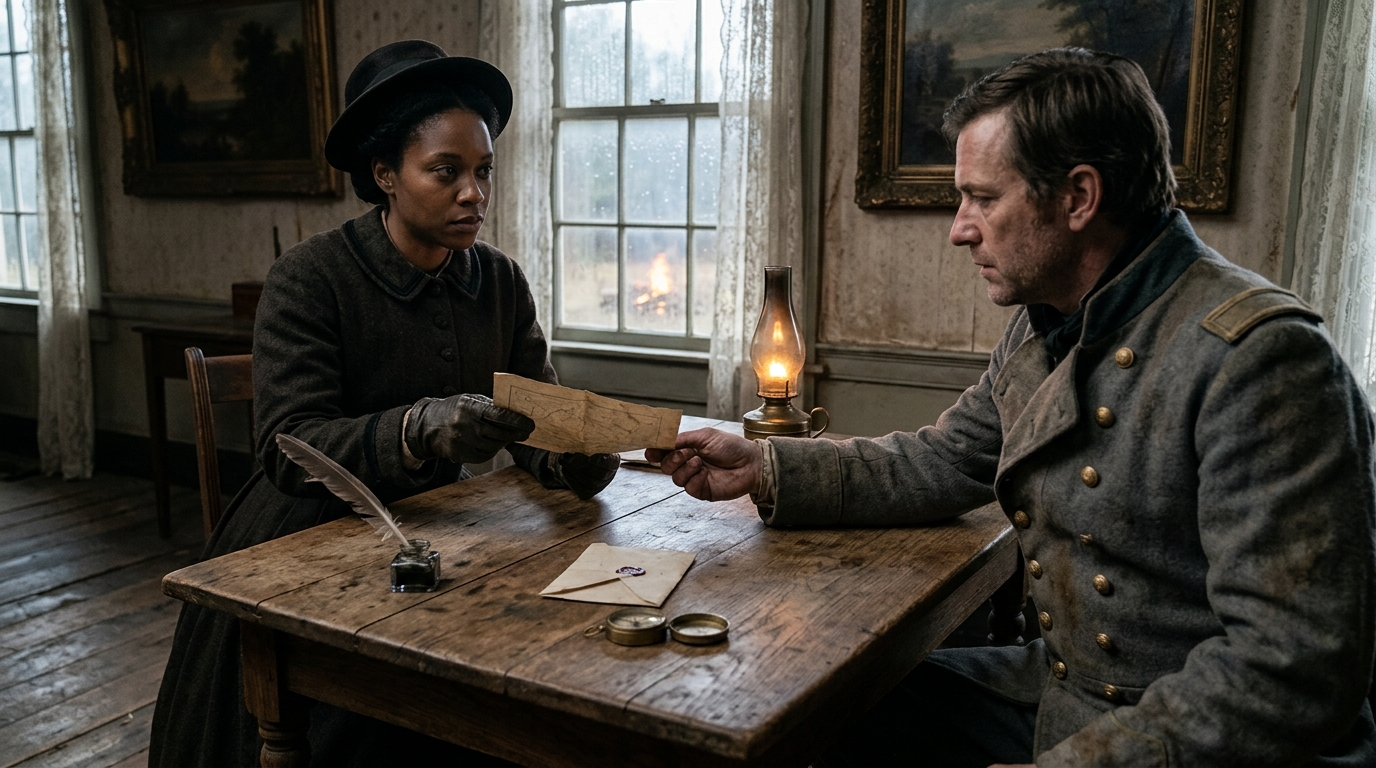
Ready for a love story with a little danger in the air? An Extraordinary Union takes you back to the Civil War, when a single letter or whispered word could mean life or death. The author's official site describes it as an interracial romance, and that focus gives the book its heart.
Your two leads are Elle Burns and Malcolm McCall. Elle is a former enslaved woman who now works as a Union spy, risking everything for the cause she believes in. Malcolm is a Pinkerton detective, and his work puts him in the same tangled world of secrets. Their lives start out far apart, so every time they cross paths, you'll feel the spark and the suspicion at the same time.
The Civil War setting is what turns this into a true spy thriller. Espionage was a real and dangerous part of the war, with agents moving information across enemy lines and facing capture or worse if they slipped up. That history gives every scene a built-in edge. When a conversation feels friendly, you'll start wondering who is really listening, and that uncertainty keeps you turning pages.
The suspense and the romance feed each other. Elle and Malcolm have to decide how much to trust one another while their missions pull them in different directions. Every stolen moment carries extra weight because one wrong word could expose them both. The slow-burn tension is steamy without losing its emotional core, so the attraction feels earned.
The paperback is listed at $18.95 and 272 pages, which makes it a compact read you can finish in one cozy weekend. If you love historical romance with real stakes, this is a book that will have you reading late into the night, eager to see whether two people from opposite worlds can keep their secrets and their hearts safe.
Interracial marriages are far more common today than they were in the past, and they are more common among same-sex married couples than among opposite-sex ones. Here's how the numbers break down.
The U.S. Census Bureau reported that in 2022, 31% of married same-sex couple households were interracial. That means nearly one in three of those households brought together two partners from different racial or ethnic backgrounds.
Now look back a few decades. In 1967, only 3% of newlyweds married someone of a different race or ethnicity. That same year, the Supreme Court decided Loving v. Virginia, a case that struck down state laws banning marriage between people of different races. Court rulings can change the law overnight, but changing how people choose their partners takes much longer, and the rise over the following decades shows how much things shifted.
Why the gap between same-sex and opposite-sex couples? Many factors shape who people fall in love with, including where they live, who they meet at school or work, and which communities they belong to. The census figures show the pattern clearly, even if they don't explain every reason behind it.
It helps to remember what these numbers measure. They count real marriages and real households, the couples sharing grocery bills, holidays, and family dinners. A romance novel works differently. An author decides which pairing to build a story around, and that choice might be drawn from life, from imagination, or from a favorite trope. Novels can show love across backgrounds that you rarely see on screen, and that is part of their charm.
So when you read about Elle and Malcolm or Stella and Michael, you're reading fiction, but you're also reading about a kind of love that happens every day in real life. That connection is a big reason these stories feel so warm and believable.

A multicultural romance centers two leads who share a cultural background, while a strictly interracial romance pairs two leads from different racial or ethnic backgrounds. A Pho Love Story belongs on a broader multicultural list rather than a strict interracial one, and that difference is worth keeping in mind as you build your reading stack.
Both kinds of books celebrate cultural richness, but they explore it in different ways. An interracial romance asks what happens when two different worlds collide. A multicultural romance lets you savor one culture's food, language, and family traditions without the story revolving around a cross-cultural clash.
Take A Pho Love Story, a young-adult rom-com about Vietnamese American teens Bao Nguyen and Linh Mai. Their families own competing neighboring pho restaurants, so the rivalry plays out over steaming bowls, busy kitchens, and a shared sidewalk. Both leads share a Vietnamese American background, so this is a multicultural romance rather than a cross-racial pairing. That makes it a delicious sidebar pick.
The trade paperback carries a list price of $12.99 and runs 416 pages, with a publication date of December 28, 2021. That's a lot of banter for a bargain price, especially if you borrow a copy from your library first.
Here's where the fun begins. Pair it with the strictly interracial picks for a broader reading mix. Start with A Pho Love Story, then jump into The Sun Is Also a Star for a Jamaican American and Korean American story told over a single day. Add The Kiss Quotient, whose lead Michael Phan is Vietnamese and Swedish, and you'll see how heritage shapes romance in very different ways. Finish with An Extraordinary Union for a Civil War spy story that feels worlds away from the pho counter.
Most of these novels are available in paperback for between about $13 and $19, so you can plan your buys around your budget and your reading pace. Here are the edition details to start with.
The page counts tell a different story than the price tags. A Pho Love Story has the lowest list price and the longest page count, so it gives you plenty of banter for the money. An Extraordinary Union is the shortest, which makes it a good pick if you want a complete historical romance in a single weekend.
Before you add anything to your cart, check your local library. Many libraries carry these titles in print and as ebooks, and some let you borrow digital copies through a library app on your phone or tablet. Popular romances often come with waitlists, so place your hold early and keep an eye on the queue. If you prefer to own your copy, used paperbacks in good condition are often easier on the wallet than new ones.
Formats matter too. Paperbacks are light and easy to carry, ebooks let you adjust the text size and read in the dark, and hardcovers tend to cost the most but hold up well on a shelf. Think about how you like to read. If you tend to finish a book in one sitting, a shorter title like An Extraordinary Union may fit your schedule. If you like to savor a story over several weeks, the longer books will keep you company for a while.
Keep your reading habits in mind as you plan. A long paperback you can borrow for free is a great way to test a new author, and a shorter ebook can fill a gap between bigger reads. Mix formats and page counts so your reading list stays fresh, affordable, and easy to finish.
Your next step depends on the kind of night you're planning. For a playful, light read on a rainy weekend, start with The Wedding Date and let that fake-dating deal do its work. If you'd rather watch a sharp heroine treat romance like a puzzle, pick up The Kiss Quotient instead.
Then open your library app and place a hold on your choice today. Popular titles often come with waitlists, so getting in line now means your book will be ready when you are. If your library has no copy in print, check whether it offers the ebook, since digital copies can be borrowed right from your phone or tablet.
Set a small goal for your first sitting: read the first three chapters tonight. Once Alexa and Drew's pretend affection starts to blur into something real, or Stella's spreadsheets begin to unravel, you'll know you picked the right book.
When you finish, come back to the multicultural sidebar and start with A Pho Love Story, the competing-restaurant romance that's a bargain at its list price. Keep a running list of what you read, and you'll always have your next binge ready.
Plus-size romance is a love story where the main character's body size is part of the story itself. It keeps the recipe you already adore. As the Romance Writers of America defines it, romance has a central love story and an emotionally satisfying, optimistic ending. Plus-size leads fit that structure perfectly, so you get the butterflies without giving up the happy ending.
Ready to find your next favorite? Start with One to Watch, a 432-page paperback priced at $18. It follows plus-size fashion blogger Bea Schumacher, who becomes the star of a dating show. Then try Jenny L. Howe's On the Plus Side, an $18, 368-page romance where Everly Winters grows close to a cameraman during a makeover show. Trust us, you'll be binge-reading before dinner.
Plus-size romance is a love story where the main character's body size is part of the story itself, and the lead is most often a plus-size heroine. You get the recipe you already adore: a central love story at its heart and an optimistic ending you can count on. The difference is that her curves shape the plot instead of sitting in the background.
Plus-size love stories turn up in many formats. You'll find grown-up contemporary romance, teen love stories, rom-coms, reality-show romances, and audiobooks for your commute. In Love at Full Tilt, Jenny L. Howe pairs plus-size teen Lia Baker with a rival at a theme park. Bethany Rutter's Slow Burn follows plus-size 16-year-old Ruby and her neighbor Ollie, and it's a great pick if you love a friendship that slowly turns into something more.
Tone is where you get to match your mood. Some plus-size romances are sweet and gentle, some are sizzling and steamy, and some are darker and more emotionally intense. Pick the vibe first, then choose the book. L. A. Schwartz's debut, My Kind of Trouble, puts librarian Preston Jones opposite conwoman Harmony Hale, a pairing that promises plenty of sparks.
Prefer to listen? Danielle Allen's romance audiobook Plus Size Player, released June 10, 2025, is listed at $28.99 and is a finalist for the 2026 Audie Award for Best Romance. Sugar Jamison's Perfect Fit Novels, including Dangerous Curves Ahead and Thrown for a Curve, are contemporary romances featuring plus-size women, so you can start a series and binge-read the whole thing.

You can find adult plus-size romance books at bookstores, public libraries, and online retailers, and the adult contemporary shelf is the best place to start. Search for plus-size heroines or ask a librarian for curvy love stories, and your reading list will grow quickly.
One to Watch came out on July 7, 2020, and it's a fun mix of glossy reality TV and real heart. Kate Stayman-London's novel follows a fashion blogger who suddenly becomes the star of a dating show, and you'll be cheering for her from the first chapter. The 432-page paperback is priced at $18, so it's worth a spot on your shelf.
On the Plus Side followed on December 26, 2023. Jenny L. Howe's 368-page paperback is also $18, and its makeover-show setting gives the story a lively, camera-flash energy. Pairing it with One to Watch gives you two fresh reads back to back, so one cozy weekend can cover both.
Prices vary from store to store, so compare before you buy. Current listed print prices for the books in this guide run from $12.99 to $19.99, and a library hold or a used copy can save you even more.
Once one standalone has hooked you, Sugar Jamison's A Perfect Fit Novels are ready for a marathon. These contemporary romances feature plus-size women, and the series includes:
Here's a simple binge-read plan. Start with a standalone like One to Watch on a lazy weekend, then move straight into the Perfect Fit books and work through the series one title after another. You'll get the fun of a fresh story, followed by the comfort of characters who keep showing up for each other.
Yes, teen love stories belong in the plus-size romance family, and the young adult shelf is full of sweet, funny, first-crush reads. These books have the same warm, hopeful endings you love in grown-up romance, with younger characters and the butterflies of a first real crush.
You can pick up Love at Full Tilt as a 384-page paperback for $12.99. It hit shelves on July 22, 2025, so it's a fresh pick for your next lazy afternoon. A theme park makes a great backdrop for a rivalry, with bright lights, long lines, and plenty of reasons to bicker.
If you want a slower build, Slow Burn by Bethany Rutter is the one to watch. The paperback is listed at $12.99, and the hardcover is $19.99 if you want a copy for your shelf. The publication date is March 3, 2026, so mark your calendar.
Teen plus-size romance often leans into slow-build tension and friendly rivalry. You get the thrill of two people who annoy each other a little too much, and the fun of noticing when that annoyance starts to feel like something else. Both books are short enough to finish in a single sitting, which makes them perfect for a rainy weekend.

A 2017 survey of romance readers found that 35% used audiobooks, so plenty of fans already listen while they multitask. If you spend time behind the wheel or on a train, an audiobook can turn dead time into your favorite part of the day.
Your commute is the perfect place to binge-listen. Hit play on the drive to work, then pick up the same story while you fold laundry or find your rhythm on the treadmill. Steamy scenes and swoon-worthy banter hit even harder when you're stuck at a red light and can't stop smiling.
Danielle Allen's Plus Size Player is the audiobook to try first. It was released June 10, 2025, and it's listed at $28.99, so check your library app before you buy. It's also a finalist for the 2026 Audie Award for Best Romance, which shows the audiobook world is paying close attention to this love story.
Audio works best when you match the story to your routine. Save a light, funny romance for your morning walk and a more emotional one for a long, quiet drive. You'll look forward to every trip, and your next favorite love story might start with a single chapter in your ears.
Plus-size romance can be body positive, but not every book will be, so it helps to read with a clear eye. The promise is real. When a curvy heroine gets the slow-burn confession and the big romantic gesture, the story tells you her body is worth wanting.
In a 2011 analysis published in the Journal of Popular Romance Studies, Sonya C. Brown found that the subgenre offered real possibilities for representing diverse bodies. The same study also revealed ambivalence about size acceptance, so the genre isn't a simple success story.
You can see that tension in reader conversations, too. Many fans ask whether a happy ending depends on the heroine losing weight. If the love story only feels complete after she slims down, the message is that her body needed fixing, not that she was loved as she already was.
Here's a simple tip for spotting the good ones. Look for stories where the love interest's attraction is clear from the start, with no hints that he's secretly embarrassed to be seen with her. Also watch the side characters. If they joke about her size or treat her confidence as a problem the plot must solve, the book may be leaning on the very ambivalence Brown described.

Romance is hotter than ever, and that's great news for anyone hunting for a new love story. Circana BookScan data, as reported by Publishers Weekly, showed U.S. print sales of romance books rising almost 9% in 2024.
The momentum kept building into 2025. In its June report, Circana said U.S. year-to-date print romance sales were up 24% over the same period a year earlier, with 51 million units sold in the preceding 12 months.
Readers are also reading more. In that same June survey, 26% of romance buyers said they were reading much more than they were a year before. That means more people are browsing shelves and looking for their next steamy, swoon-worthy read.
These figures describe romance as a whole, not plus-size titles alone, because industry data doesn't measure plus-size romance on its own. Still, curvy love stories ride the same wave of reader interest. When romance sales climb, there's more room on the shelves for heroines like Everly Winters and Ruby, so your next favorite might be waiting in the new releases.
Not sure where to begin? Let your mood and your schedule pick your first read. If you're craving rom-com fun, start with an adult contemporary like One to Watch. If you want sweet nostalgia, a teen romance like Slow Burn will take you back to your first crushes.
Short on time? Press play on the audiobook Plus Size Player and let it fill your commute. If you'd rather settle in for a longer binge, pick up Sugar Jamison's Perfect Fit books and read them one after another.
Then tell us your favorite plus-size love stories in the comments. Keep exploring, because the next swoon-worthy curvy romance may be only a page away.
Here's your next step: pick one book from this guide and start it this weekend. If you enjoy a clever, mischievous pairing, try My Kind of Trouble, L. A. Schwartz's 304-page debut published October 8, 2024. Librarian Preston Jones and conwoman Harmony Hale are a duo built for bickering and banter.
Not sure which format to choose? A 2017 survey of romance readers found that 92% read print books, 64% read ebooks, and 35% used audiobooks, so you have plenty of company whatever you prefer. Check your library's app before you buy anything. Many libraries offer ebooks you can borrow for free, and a phone is easy to carry to a waiting room or a lunch break.
Once you finish that first read, build a small reading plan. Pair a standalone with a series, such as One to Watch followed by Dangerous Curves Ahead from Sugar Jamison's Perfect Fit Novels. Read them over two weekends and keep a short list of the scenes that made you smile. Those moments will show you which tone you love most, whether sweet, steamy, or emotionally intense, and that will guide your next pick.
Autistic romance leads show up in both adult and teen novels, and you'll find plenty of swoon-worthy ones to binge-read. In The Kiss Quotient, Helen Hoang's Stella, an autistic woman, approaches learning about sex methodically, and her relationship with Michael heats up page by page.
Craving a younger lead? Jackie Khalilieh's Something More stars 15-year-old Jessie, who was diagnosed as autistic just weeks before starting high school. Check your local library for copies so you can read it without spending a dime.
Adult romance fans, your steamy reading list is about to get a lot more exciting. Helen Hoang's adult romances are a strong place to start if you want swoon-worthy stories with autistic leads. Her books are warm, funny, and full of heat, and they give autistic characters the central role in their own love stories.
Next up is The Bride Test, where Khai Diep's autism means he processes emotions differently than the people around him. When Esme Tran comes from Vietnam to meet him, you get a slow-burn story full of tender misunderstandings and heated moments. Penguin Random House lays out the premise, and it's easy to see why readers keep coming back for more.
Start with The Kiss Quotient and binge-read the series in order, since familiar faces from earlier books pop up later. Then keep costs low by hunting for used paperbacks at secondhand bookshops, library book sales, and online resellers. Your TBR will grow fast, but your wallet will thank you.
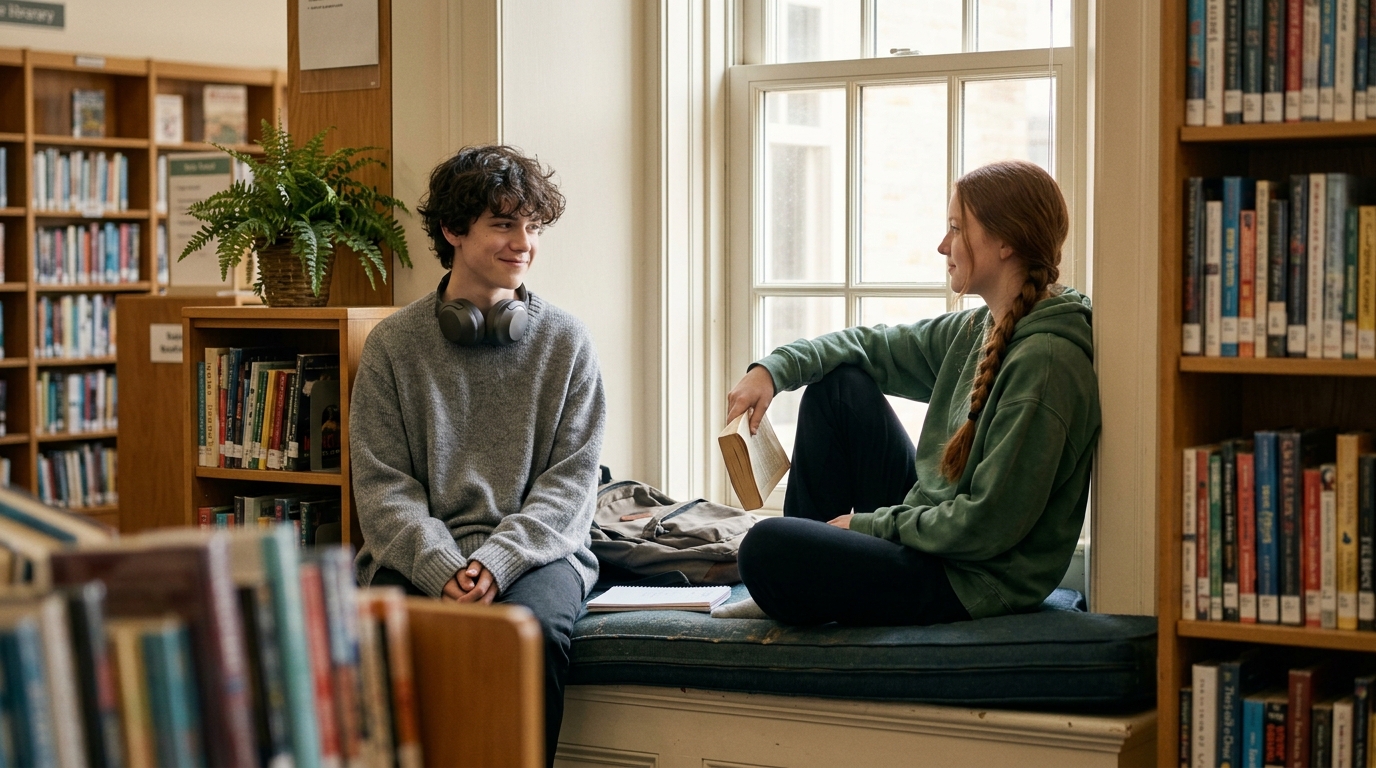
Yes, a few newer young adult romances feature autistic teens, and two are ready for your TBR right now:
Jackie Khalilieh's Something More centers on Jessie, a Palestinian-Canadian girl. Lucy Powrie's Real When I'm With You follows autistic teen Effie, who starts a pretend relationship with barista Aiden. Fake dating is a classic romance setup, and it makes for a fast, late-night read.
Elle McNicoll is another newer YA author to watch, since she writes autistic characters for teen readers. Add her to your list, and check your library for copies of these books so you can borrow them for free.
Two new romances put an autistic woman at the center of the love story. Some Like It Cold is a small-town romance built around Jasper, an autistic heroine, and it went on sale October 1, 2024. Then there's Wish You Were Her, a rivals-to-lovers romance about 18-year-old Allegra, who is autistic but not publicly known to be so.
Prefer to cheer for a hero? Pick up My Kind of Trouble by L. A. Schwartz. It pairs Harmony Hale, a conwoman, with Preston Jones, an autistic librarian and piano teacher. The book's publication date is October 8, 2024, so it's a fresh pick for your next binge-read.
Here's an easy way to choose. If you love a heroine who has to make her way in a close-knit small town, start with Jasper. If you enjoy rivals who keep sparring until the sparks fly, Allegra's story is your match. And if you're in the mood for a hero with a love of books and music, Preston is waiting for you.

Romance fiction can portray autism unfairly, and scholars have pointed to a few patterns worth watching for. In a 2018 analysis by Emily Brooks of 11 feature articles in major U.S. newspapers, coverage often described autistic sexuality and romance as disruptive or dangerous. When a love story treats an autistic character's desire as a problem to be fixed, pause and notice that.
A 2019 review of fiction about autistic women and girls found that books tended to favor women described as "high functioning." Women who also have intellectual disability had limited representation. As you read, ask whether the cast of autistic characters feels narrow.
Mainstream media also leans on stereotypes, such as the cold genius who cannot read a room or the quirky sidekick who exists only to teach the hero a lesson. Watch for those shortcuts. Does the autistic character have real wants, friendships, and a voice of their own? The best swoon-worthy leads make their own choices and drive the romance forward.
A 2025 study counted 147 contemporary realistic-fiction books for children and young adults that feature characters with autism spectrum disorder. The study looked at kids' and teen fiction in general, not romance novels, so its count covers far more than love stories.
The authors also reported growth over the previous decade. They found more autistic characters overall, and more autistic characters who serve as main protagonists. That's good news for you as a reader, because it means autistic people are increasingly the ones driving the story.
Romance wasn't part of that count, so keep an eye on new releases in every section you love and see where autistic leads turn up next.

Writers create autistic characters well by drawing on lived experience, doing careful research, and checking their work with autistic people. Helen Hoang shows what this looks like in practice. While developing the next book after The Kiss Quotient, she told Publishers Weekly that she kept Stella's experience close to her own. She didn't rely on memory alone, though. She added further research, talked with multiple autistic people, and used sensitivity readers, who check whether a portrayal is accurate and respectful.
That kind of groundwork matters because autistic people don't all share the same experiences. A character built from one source can easily become a type rather than a person.
Here's a tip for your next read. Notice whether the autistic characters feel specific and varied rather than like a single stereotype. Do they have their own goals, friendships, and reasons for what they do? If so, the writer likely did the work.
Before you start an autistic romance lead, it helps to know a few basics. The Centers for Disease Control and Prevention describes autism spectrum disorder as a developmental disability associated with differences in the brain. Here's what to watch for as you read:
Once you know these basics, you can spot a weak portrayal fast. Ask whether the character's way of talking, connecting, or spending free time feels like a real person's choices, or whether the book uses autism as a punchline or a shortcut. The strongest love stories let the character's traits shape the romance without defining the whole person.
Ready to build your own stack? Open your library app tonight and place a hold on Real When I'm With You, which came out July 3, 2025. While you wait, add Wish You Were Her to your list. It went on sale August 26, 2025, and Allegra's rivals-to-lovers story is worth the wait.
Prefer a grown-up heat level? Reserve The Kiss Quotient first, then move straight to The Bride Test so Khai and Esme's story follows right after Stella's. Keep an eye out for cheap paperbacks at secondhand bookshops and library book sales, so a bargain copy finds you when the price drops.
Finally, grab a notebook and jot down which autistic characters felt specific and real to you. That list will help you spot your next swoon-worthy lead before anyone else does.
Romance author pen names let writers keep their personal lives separate from their steamy stories, and they often hint at the swoon-worthy romance waiting on the page. You might be surprised how common this is. A 2018 study found that most romance writers in Canada and the United States used at least one pen name during the first decade of the 21st century, and some used three or four. A 2023 study of 15 self-publishing novelists found that every one of them published romance under a pen name.
Once you know why authors do this, tracking down all the names a favorite writer uses becomes a fun treasure hunt. It can lead you to a whole new shelf of books to binge-read.
Romance authors use pen names to keep their private lives apart from their steamy stories, and the name itself can tell you what kind of romance is waiting inside. Think of it as a clue on the cover before you even open the book.
The first job of a pen name is to separate the person from the page. An author may have a family, a day job, and a social media presence that have nothing to do with the swoon-worthy scenes they write. A different name draws a clear line between the two.
The second job is signaling. A name can hint at a cozy small-town love story with a happy ending, or at a darker, sizzling enemies-to-lovers tale. Researchers who studied self-publishing romance novelists found that writers used different names to split their subgenres and reach different groups of readers. So if one name keeps showing up on sweet holiday romances and another on fantasy romances full of dragons, you know which shelf to browse for your next binge.

Privacy is the most common personal reason a romance author picks a pen name. Romance can include explicit scenes, and many writers want those steamy pages kept apart from their everyday lives. Their home, day job, and family can stay out of the spotlight. Imagine reading a sizzling chapter and then bumping into the author at your kid's soccer game. A pen name spares writers that moment. The same CHI research found that interviewees chose pen names to protect their privacy, which shows how much this matters to working authors. The good news for you as a reader is that the author's personal name can stay hidden while the books remain easy to follow. Check the cover, the spine, or the author bio for the pen name, then follow it on your favorite shopping or reading site. That way, you won't miss the next swoon-worthy release.
Yes, one author can write across many subgenres, and a separate name is often the simplest way to keep those worlds apart. Imagine you adore sizzling contemporary romance, then grab a book by the same writer that turns out to be a dark paranormal full of brooding vampires. That surprise can ruin a cozy night. Different names help you avoid it.
In the 2023 interviews with self-publishing novelists, writers said they used pen names to split romance subgenres and reach different reader groups. Jennifer L. Armentrout, for example, writes paranormal series like Lux under her own name, while the contemporary romance Wait for You appears under the pen name J. Lynn. Readers who want a steamy, grounded love story can head straight to one shelf, while fans of supernatural twists can binge the other.
Separate names also keep each brand clean. An author can market a spooky suspense thriller to thriller fans without confusing readers who come for sweet, happy-ending romances. When you spot a new name in an author bio, check the cover blurb before you buy. It usually tells you which kind of romance you're getting.
Nora Roberts gained a separate readership that could grow on its own, apart from her name on the cover. Her first J. D. Robb novel, Naked in Death, was published in 1995, and the publisher revealed in 2001 that J. D. Robb was her pseudonym, according to the official J. D. Robb website. Readers who had already fallen for the series suddenly learned who was behind it.
The series also became its own shelf. Many fans follow it by name, hunting for each new release in the Eve Dallas books, where a tough New York police lieutenant solves crimes in a futuristic world alongside her husband, Roarke. The mix of gritty suspense and steamy romance is a big reason readers keep coming back.
If you love futuristic romantic suspense, the J. D. Robb name is your key to a whole series to binge. Start with Naked in Death, then work through the numbered books in order so the characters' relationships build the way the author intended. Searching the pen name is often faster than searching for Nora Roberts.
Some writers of color chose white-sounding pen names because they believed readers expected romance authors to be white and female. The 2023 study of self-publishing novelists reported this among its interviewees, which shows that a pen name can also reflect assumptions about readers, not only privacy or branding. In other words, the name was sometimes a response to what authors thought readers would accept.
That matters when you browse. A byline that sounds unfamiliar or very ordinary may carry a story about who the writer felt welcome to be. Keep an open mind, and don't assume the name tells you everything about the author behind a steamy story.
You can also dig a little deeper. Author bios, interviews, and social media posts often reveal how a writer talks about their work and their readers. Those details help you connect with the people behind your favorite swoon-worthy romances, and they might point you to a new name worth following.

Yes, a pen name changes a few legal details. Under U.S. Copyright Office guidance, an author registering a pseudonymous work does not have to give their full real name. Still, Circular 32 on pseudonyms notes that registration records are public, and the Office says it will not remove a name after it issues the certificate.
The length of copyright protection depends on whether the author's legal name is on file. For U.S. works created on or after January 1, 1978, protection generally lasts 95 years after publication or 120 years after creation, whichever is shorter. If the author's legal name appears in Copyright Office records, the term is the author's life plus 70 years instead.
A pen name can also work as a trademark, but not always. A name used only as a byline may be refused registration, because it just tells readers who wrote the book. A name that identifies a whole series of works may qualify, which is why series names often carry more weight than a single author signature.
If an author ever wants to register a trademark, the cost is worth knowing. The USPTO electronic base application fee is $350 per class, based on its fee schedule revised August 14, 2026. A class is a category of goods or services, and a later statement of use can add another $150 per class.
AI-written books can be uploaded under a real author's name, so a favorite writer's profile may suddenly list titles they never wrote. That happened to romance author Olivia Sinclair. A September 18, 2026 report described six suspected AI-written children's books on her Amazon profile. After the report, those books were delinked from her profile.
The same September 2026 reporting said Amazon limited authors to 10 self-published books per week per book format. It also said Amazon sometimes requested identity verification from accounts. Those limits and checks make impostor uploads harder, but they don't remove the risk entirely.
So when you're about to buy from a name you already love, take a quick look first. Scroll the author page and check that the titles match the steamy, swoon-worthy romances you know. Then read the book description closely. If the genre, age range, or tone feels off, pause before you click.

The fastest way to find an author's other pen names is their official website, which often lists every name they write under. J. D. Robb's official site, for example, shows the pen name tied to Nora Roberts. Once you have a list, you can confirm each match before you buy. Here's how to do it:
Ready to start your own treasure hunt? Pick one author you already love, such as Jennifer L. Armentrout, and open her official website or the author page on your favorite reading site. Write down every name you find, including Armentrout and J. Lynn. Then follow each one, so a new steamy release under either name lands in your feed.
Next, read the blurb of the first book under each new name. If it sounds like the romance you crave, add it to your reading list. If it doesn't, you've just saved yourself a surprise on a quiet night.
Romance book cover artists make a novel’s mood, characters, and subgenre visible before you read a page. They use details such as lush botanical colors, comic-inspired gazes, and hand-drawn lettering to set the scene. With nearly 40 million romance print copies sold in 2023, covers offer a vivid way to discover your next swoon-worthy binge-read, TIME reported.
From botanical detail to bold, character-led illustration, romance covers offer plenty of styles to explore.
Romance cover artists stand out when their choices make a story’s emotional promise clear at a glance. Some covers feature photographic couples; others use character-led illustration, collage, bold lettering, or digital painting. Color can suggest warmth, danger, or longing, while composition draws your eye to a gaze, a gesture, or the title. Together, these choices can hint whether your next swoon-worthy read is tender, steamy, funny, or rooted in a subgenre such as western romance.
WBUR reports that Somerville-based illustrator Monique Aimee had designed around 40 covers for authors on the East Coast, in England, and in Australia. She often gives an art director three initial sketches and draws her own lettering rather than using pre-existing fonts. WBUR’s coverage describes her approach.

Several romance cover artists are worth knowing for the distinct visual worlds they create. Natasha Cunningham draws on nature’s colors and textures, often weaving plants and flowers into her covers. Jenifer Prince looks to romance comics and pulp novels from the 1940s to the 1960s, using bold colors, intense gazes, and moody lighting. Liza Rusalskaya starts with inspirations, sketches, mood boards, and a client brief; her cover art is primarily digital. Austin Drake’s illustrated kissing-couple cover for Lyla Sage’s Done and Dusted drew on romance comics and helped inspire pop-art nostalgia in western romance visuals. Publishers Weekly’s coverage explores these artists and trends.
Romance covers have shifted from photographic couples in passionate embraces to illustrated, character-led designs, though older styles keep returning. The embrace-focused jacket is often called a “clinch cover.”
Retro touches also appear in western and monster romance, where you might spot pulp-inspired art, bold colors, or comic-book styling. No single look defines either subgenre.

A romance cover can hint at a book’s emotional tone, character focus, and subgenre, but it can’t promise what happens in the story. Flora and natural textures may suggest a setting close to nature or a softer mood, while comic-inspired gazes and moody lighting can put the characters’ attraction front and center. Bright pop-art colors may signal a playful, punchy feel, and bold lettering can add energy.
As you browse for your next binge-read, compare covers and notice which styles catch your eye. Then check each book description for the actual premise, characters, and romantic setup.
You can follow romance cover artists by tracing a favorite cover to its creator and keeping up with their credited work. When a cover catches your eye, try this simple routine:

Before commissioning a romance cover, agree in writing on ownership, permitted uses, source files, and licensing terms. Prices and rights depend on the project’s scope and license. Starting prices range from $300 for commissioned covers to $2,800 for custom cover illustration, and a typical project timeline can be four to six weeks. Under U.S. Copyright Act §201, copyright initially vests in the work’s author or authors. Commissioned art is not automatically a work made for hire in every case; when it qualifies, the commissioning party is considered the author and owns the rights unless the parties agree otherwise in a signed writing. Put the agreed rights and uses in the contract before work begins.
Pick the cover style you want more of: Natasha Cunningham’s botanical detail, Jenifer Prince’s pulp-comic mood, or Monique Aimee’s hand-drawn lettering. Search the artist’s name with “romance covers” and jot down titles that catch your eye. Before buying, check your library catalog or current ebook promotions. A cover can lead you to a new author without committing to a full-price book. If you find a title for free or at a discount, read the description and sample first to see whether the characters and romantic setup sound right for your next swoon-worthy binge-read.
Romance book clubs bring readers together to share swoon-worthy finds and discuss a book or monthly trope. Your next steamy binge-read can come with great conversation, too. Some groups read the same book, while others choose a theme and let everyone pick a title. That leaves room for different tastes, budgets, and favorite kinds of happily-ever-after. Public libraries offer useful examples: one club meets monthly for an hour, with books available about a month before each discussion. That gives you a simple sense of the routine, whether you’re looking for a group or dreaming up one of your own.
The genre’s appeal shows in the numbers: in 2025, Publishers Weekly reported that Circana BookScan-tracked print romance sales rose 3.9% to nearly 44 million units. But the best club pick isn’t always the newest bestseller. It might be a tender slow burn, a laugh-out-loud contemporary romance, or a magical love story you can binge-read and then discuss with fellow fans. A club gives you a welcoming reason to try an author or subgenre you might not choose on your own, while sharing the books you can’t stop recommending. Whether you want a ready-made group or a low-cost way to find your next favorite, a romance book club can make reading even more joyful.
A romance book club brings readers together to enjoy romance novels, share swoon-worthy finds, and talk about what makes a love story work. Some clubs choose one book for everyone, while others use a subgenre or trope as a loose theme. A theme might point toward a gentle slow burn, a steamy binge-read, or a friends-to-lovers story, while leaving room for members to choose different books.
The conversation can cover more than whether the couple has chemistry. You might talk about how the characters change, what keeps them apart, and whether the relationship feels caring and believable. The Romantic Novelists’ Association’s definition of romance calls for a healthy relationship dynamic and an uplifting resolution: a happily-ever-after (HEA) or happily-for-now (HFN). An HEA suggests the couple’s future together is settled; an HFN offers a positive ending while leaving more of their story to come.
That ending can shape the whole reading experience. Your club might debate whether a slow burn earns its payoff or whether a couple’s happy ending feels true to their journey. Emily Henry’s Book Lovers, for example, gives fans a contemporary romance to enjoy and discuss. A club centered on a particular trope can also help you compare how different authors handle a familiar setup.
Romance clubs can make it easier to try something outside your usual reading lane, too. If you usually reach for contemporary romance, you might discover a historical love story through a fellow member, then bring a favorite back to the group for others to try. The fun comes from sharing your enthusiasm: gush over a swoon-worthy moment, explain why a character won you over, or hear another reader make a case for a book you might have passed by. In a group such as Tyngsborough Public Library’s Lonely Hearts Book Club, a romance genre or trope can guide the monthly reading, giving fans a common thread while leaving room for different tastes.

You can find a romance book club through public-library calendars, independent bookstores, community event listings, local reading groups, and social platforms. Search for “romance book clubs near me” or add your city’s name, then check library and bookstore event pages for upcoming meetings. Local reading groups and community listings can also reveal gatherings that do not appear in a dedicated book-club directory.
Public libraries are a useful place to start: Clyde Public Library’s Romance Readers Book Club meets monthly for an hour, and books are available about a month before each discussion. That notice can help you plan your reading and find a free copy through the library. Another library club is for adults 18 and older and centers each month on a different romance genre or trope.
Library calendars can also help you find a group that welcomes a range of romance tastes. Nashville Public Library announced its Slow Burn Book Club in January 2025 as a monthly club for adults 18 and older that explores romance subgenres and diverse voices. A theme like slow burn can help you try a different kind of love story. For example, you might bring up Emily Henry’s People We Meet on Vacation when talking about a relationship that develops over time.
Independent bookstores can be more than places to browse for your next swoon-worthy read. The Associated Press reported that a Brooklyn bookstore hosted three book clubs and a romance comedy night, showing how a bookstore can bring romance fans together. Check bookstore event pages and social posts for clubs, themed gatherings, or reading nights.
Before joining, check how often the group meets and whether the bookstore or library supplies copies. That can help you see if the schedule and cost fit your reading life. Check the club’s age range, too. Then find out whether everyone reads one assigned book or chooses a different title to match a shared theme. Online groups offer a flexible option if you do not find a local fit: you can join readers beyond your area and take part from home.
A club’s format can make it easier to join, keep up with reading, and find books that suit your taste. Choose a plan that fits your group’s schedules and budgets, then make the routine clear so everyone knows what to expect.
A theme-based variation lets everyone read a different book, then bring a short summary to the group. Potsdam Public Library’s Why Choose? Romance Book Club meets monthly for one hour. Each member may read a different book that fits the selected trope, present a summary, and discuss how the trope works across the books. That structure keeps the conversation lively without requiring everyone to track down the same title.
Decide whether you’ll meet in person or by video chat, and choose a meeting length your members can manage. A one-hour meeting offers a clear time frame, while an in-person gathering makes it easy to pass around book covers and recommendations. Video chat can help members join from home. For either option, share the next theme or title in one dependable place, such as a group message or calendar, and ask members bringing different books to prepare a brief, spoiler-aware summary.
A simple recurring plan can keep the conversation welcoming without making it feel like homework. Start with a welcome and check-in, move into a spoiler-aware discussion, invite everyone to share favorite moments, and finish with an announcement about the next read. Let readers know when spoilers are coming, so anyone who has not finished the book can still enjoy the conversation.

The Kiss Quotient by Helen Hoang, Book Lovers by Emily Henry, Get a Life, Chloe Brown by Talia Hibbert, and The Very Secret Society of Irregular Witches by Sangu Mandanna can all spark lively romance book club conversations. They offer different moods and story worlds, so your group can explore more than one kind of swoon-worthy love story.
For contemporary romance, The Kiss Quotient gives you plenty to discuss about communication, intimacy, and the assumptions characters make about one another. Book Lovers brings a sharp, bookish feel to its love story, making it a fun pick for talking about character chemistry and romantic comedy conventions. Get a Life, Chloe Brown offers another contemporary angle, with a heroine pursuing new experiences and a romance that invites discussion about personal growth.
If your club wants a warmer, more magical mood, The Very Secret Society of Irregular Witches blends fantasy romance with found family. Talk about how the magical setting shapes the romance, as well as what makes a group of characters feel like a family. Rotating between contemporary romance, romantic comedy, fantasy romance, and other members’ interests can keep your reading list varied without turning it into a ranking of the “best” books.
Familiar tropes also make useful conversation starters. Does an enemies-to-lovers story give its characters a believable reason to change their minds about each other? How does a grumpy/sunshine pairing balance contrasting personalities? In a found-family story, do the friendships feel as rewarding as the romance? You can compare how different books handle the same trope or invite each member to bring a title that fits the theme.
Take turns suggesting picks so every member gets to introduce a favorite, explore a new-to-them author, or nudge the group toward a subgenre it has not tried. Before choosing, agree on content preferences, including the level of spice the group is comfortable discussing. A quick check can help you find a pick that works for everyone:
Format availability: Can members find the book in a format they can use, such as print, ebook, or audio? Preferred spice level: Does the romance match the group’s comfort level? Reading length: Is the book a manageable fit for the time members have before the discussion? Chosen theme: Does the title suit the group’s selected mood, trope, or subgenre?
That quick check gives you room to choose a steamy binge-read, a gentle slow burn, or a magical escape while keeping the group’s tastes in view.
Move the conversation past “Did you like the couple?” with questions about how the romance works. What makes the characters’ chemistry believable, or keeps it from clicking for you? Do the partners make room for each other’s needs, or does one person do most of the changing? Which conflict feels hardest to overcome, and does the story give the characters a convincing way through it? There’s no answer key. Readers can notice different details and still enjoy the same book.
The setting can shape the relationship, too. In Red, White & Royal Blue, for example, how do public roles and attention affect the characters’ choices? Ask whether a story’s place feels like part of the romance or simply a backdrop. Then talk about the emotional payoff: Did the ending reward the characters’ growth? Did the final reunion, commitment, or hopeful new beginning feel satisfying to you?
A trope-themed meeting gives everyone a shared starting point without requiring a shared book. Choose a trope such as fake dating, second chance, or enemies-to-lovers, and invite each reader to bring a different title that fits. Each person can give a brief pitch: name the book, describe how the trope appears, and share what made the story worth reading. One reader might bring The Hating Game for an enemies-to-lovers discussion, while another picks a different take on romantic rivalry. Comparing approaches can be more fun than deciding which book used the trope “right.”
Make space for the moments readers love most. Invite everyone to share a swoon-worthy scene or a short passage they want to discuss, whether it’s a tender confession, a witty exchange, or a grand gesture. Nobody has to choose the group’s favorite moment, and describing a scene works just as well as reading a passage aloud. You might hear why one reader treasures a quiet act of care while another loves the dramatic declaration.
For a light activity, start a shared list of favorite meet-cutes and grand gestures. Members can add a book title and a few words about the scene, building a handy source of future recommendations without turning the meeting into a contest. A quick “pitch a future pick” round works, too: each reader can suggest one romance they think the group might enjoy and explain what makes it tempting.
Leave a little room at the end for next-read ideas. Members can name a new trope to explore, recommend a title that fits the next theme, or suggest a book for the group to consider. A fresh possibility on the list gives everyone a reason to look forward to the next conversation.

You can keep club reads affordable by mixing free library copies, member-to-member swaps, used books, and formats readers already use. A public library may offer a print copy, ebook, or audiobook, so check which options are available before settling on a shared title. Giving members plenty of notice can also make it easier to borrow a copy when it becomes available. A trope-based club can help you try a new romance author without asking everyone to buy the same book. For a friends-to-lovers theme, each reader can bring a different title they already own or can borrow from a library or friend. Members can share a quick, spoiler-aware pitch about the book and how it uses the trope, then trade recommendations for future reads. Member-to-member swaps are another low-cost way to explore a new-to-you writer. A reader who has finished The Kiss Quotient might lend it to a fellow member, then borrow another person’s contemporary romance in return. Used copies can also be budget-friendly. Members can compare notes on local secondhand shops, library book sales, and community swap events. Choose titles in formats your members already use, whether that means print, ebook, or audio. A reader who listens during a commute may prefer an audiobook, while another may borrow an ebook. Checking format access before the meeting helps prevent a shared pick from becoming an unexpected expense. Romance-focused bookshops and their events can also be welcoming places to meet fellow fans and hear fresh recommendations.
If you’ve found a club, choose its next listed meeting and check what the group is reading. Note the title and meeting format, then ask the organizer whether you can join if you have not finished the book. If the assigned read is not calling to you, ask whether the club has a trope-themed meeting where you can bring a different romance.
Starting a group? Send readers a simple choice: “Would you rather read Book Lovers by Emily Henry together, or bring a different friends-to-lovers romance to discuss?” That gives everyone a clear first decision and lets you see whether the group prefers one shared story or a theme with room for personal picks. Once the group chooses, check your library catalog for a copy before anyone buys the book.
If you want to try a theme first, suggest slow burn and invite each reader to bring a book that fits. You could choose People We Meet on Vacation as a shared starting point, or let members pitch their own slow-burn finds. Ask each reader to share the title and a spoiler-free reason it suits the theme. Then put the next meeting in a group message or calendar so your first swoon-worthy read has a date.
A romance novella often runs about 20,000–40,000 words, but there’s no single length range that applies to every romance book. Romance guidelines use different ranges: 20,000–40,000 words is one example, while short stories may be fewer than 20,000 words and novels may be 40,000 words or more. These categories give you a helpful point of comparison, but publishers don’t all sort books the same way. Writers can also check Cupid’s Arrow Publishing’s guidelines when comparing submission requirements. If you’re looking for a quick, focused love story rather than a full-length binge-read, check the listed length to get a better sense of what to expect before settling in with a swoon-worthy couple.
Guidelines vary by publisher. Some romance guidelines use a broader novella range of 25,000–50,000 words. That variation means “novella” alone can’t tell you exactly how long a book will feel. Page totals are less dependable because editions and text layout affect the number of pages, while a book’s stated length gives you a steadier way to compare books. Writers can also consult Hachette Book Group’s Forever Yours guidelines for submission requirements. Check the format, blurb, and listed length together, then choose a story to suit your mood, whether you want a brief steamy escape or a longer romance with more room to linger.
A romance novella may be classified as 20,000–40,000, 25,000–50,000, or 30,000–40,000 words, depending on the guidelines. No single boundary applies to every book. These ranges suggest a quick, focused romance, but the label alone can’t tell you exactly how much story you’ll get. The listed length and the publisher’s classification offer a clearer idea.
Some publisher guidelines use 30,000–40,000 words as an ideal novella range. A book in that range may still differ in plot, pacing, and how much space the couple’s relationship gets. Writers can also consult Quills & Quartos Publishing’s guidelines when choosing a target. The number of words is a guide to length, not a promise about your reading experience.
Publishers can also set different targets by imprint or subgenre. For instance, contemporary and historical romance manuscripts may have different length ranges from paranormal romance manuscripts. This variation shows that “novella” may reflect a particular publisher’s categories rather than one standard used across romance.
Award categories can have their own definitions, too. The 2026 Nebula Awards rules classify a novella as 17,500 to fewer than 40,000 words, with novels starting at 40,000 words. The Nebula Awards recognize science fiction, fantasy, and related genres, so their classification isn’t a universal rule for romance.
When you see “romance novella,” treat it as a helpful sign that the story is shorter and more focused than a full-length romance, not as an exact measurement. A listing that includes the number of words makes it easier to compare books, even when their publishers use different cutoffs. The specific guidelines behind the label add context, especially when a publisher sorts lengths by imprint or subgenre.

Romance word counts vary because publishers and imprints set their own boundaries, and some use different ranges for different subgenres. A “novella” can mean one length in a contemporary romance list and another in a paranormal romance list.
Some guidelines consider contemporary and historical romance manuscripts of 15,000–55,000 words, while others consider paranormal romance manuscripts of 15,000–60,000 words. These ranges show how much the category can vary, even within one publisher’s guidelines.
Subgenre helps shape what you can expect from a story, but it doesn’t set one fixed length. A contemporary romance such as Beach Read by Emily Henry, a historical romance such as A Knight in Shining Armor by Jude Deveraux, and a paranormal romance such as A Discovery of Witches by Deborah Harkness each offer a different story world. They’re examples of their genres, not promises about novella length.
For writers, the intended publisher or imprint matters more than a general definition of “novella.” A manuscript that fits one publisher’s range may fall outside another’s, even when both are considering the same subgenre. Check the current submission guidelines for the specific publisher or imprint you’re targeting, including any separate ranges for contemporary, historical, or paranormal romance.
For you as a reader, the novella label gives you a broad category, not an exact measure of a book’s length. The listed length offers a more specific sense of length, while the publisher or imprint’s classification can explain why the book carries that label. If a listing includes both, use the number to compare titles and the classification to understand how that publisher groups them.
A novella falls between a shorter story and a full-length novel. It gives a romance room for a relationship to develop while keeping the reading experience more focused than a novel. It can follow a couple through attraction, conflict, and a meaningful choice without taking the longer route a full-length story might. The result can still feel swoon-worthy and emotionally complete, with less room for side plots and extended subplots.
Short-story, novella, and novel labels don’t divide romance into one universal set of word counts. A separate awards classification from science fiction, fantasy, and related genres defines a novelette as at least 7,500 but fewer than 17,500 words, a novella as 17,500 to fewer than 40,000 words, and a novel as 40,000 words or more. Romance publishers use their own ranges, which can differ from those awards categories. Those thresholds are an awards classification for those genres, not a rule every romance publisher follows.
That difference matters when you compare labels. One publisher may set a different novella range from another, while an awards category sorts eligible works into defined length groups. A romance described as a novella can therefore fall outside the novella range used by an awards classification and still fit its publisher’s romance guidelines. The label tells you how a particular publisher or classification groups the work, while the stated length gives you a clearer sense of its size.
Length doesn’t determine whether a love story feels satisfying. The Romantic Novelists’ Association defines romance around a healthy relationship dynamic between the main characters and an uplifting, positive resolution, such as a happily-ever-after or happily-for-now ending. A novella can deliver that relationship arc in a focused way, without needing the breadth of a full-length novel. For a familiar example of a romance centered on a changing relationship, The Kiss Quotient by Helen Hoang follows Stella and Michael as their connection develops. A shorter romance can give its own couple room to build trust and reach a positive ending, while keeping the story moving at a brisker pace.

A romance novella has no dependable page count. The total changes with the edition and the way its text is laid out. A paperback, hardcover, and ebook can present the same story across different numbers of pages. In print, trim size, font, spacing, and margins all affect how many pages the text fills.
An ebook may let you change the text size or screen layout, so the page total can shift with your settings. Some digital listings show reading locations instead of a fixed page count. An audiobook listing may give you a runtime rather than a page count, which is more useful for estimating how long listening will take.
A book’s length in words gives you a steadier way to compare the length of two books. Page counts can still help when you’re choosing a specific edition, but they work best alongside the format and other details in the listing. A romance such as The Hating Game by Sally Thorne is a reminder that a page total belongs to a particular edition, not to romance as a whole.
When you’re picking a quick read, check whether the listing is for print, ebook, or audio, then look for the listed length, page total, or runtime provided for that format. A paperback page count can help you picture the physical book, while an audiobook runtime gives you a clearer sense of listening time. If the listing gives only a page total, treat it as a detail about that edition rather than a universal measure of novella length.
The blurb can also help you decide whether the story suits the time and mood you have. A focused romance about one couple may be just right for a short reading window, while a book with a larger cast or several subplots may call for a longer stretch. Together, the format, listed length, and story description give you a more useful picture than pages alone.
A short romance often keeps your attention on the central couple, moves through key relationship moments in a compact span, and leaves less room for secondary plots than a longer novel. That focus can make the connection feel immediate because you spend more of the story with the people whose choices and feelings drive the romance. If you’re in the mood for a swoon-worthy escape, a novella can give you a satisfying love story without a long wait to reach its emotional turning points.
Courtney Milan’s historical romance novella The Governess Affair centers on Serena Barton and Hugo Marshall. Their relationship unfolds amid a conflict involving the Duke of Clermont, which adds tension alongside the developing romance. The historical setting and the couple’s circumstances make the story feel distinct, while its compact scope keeps their connection in the foreground.
A shorter format can also mean fewer scenes devoted to friends, family, or other romantic pairings. You may get glimpses of those characters, but the story has less space to follow several separate arcs in depth. That doesn’t mean every novella moves at the same speed or uses the same structure. Some linger over a couple’s growing trust, while others move briskly through attraction, conflict, and a decision that changes the relationship.
A brief story can still pack an emotional punch. A romance can build anticipation, make you care about the couple’s choices, and deliver a meaningful payoff without taking the length of a full novel. Romance readers may also look for an uplifting resolution, such as a happily-ever-after or happily-for-now. That positive ending can feel earned when the couple has faced a real obstacle and reached a future together, even if the story stays tightly focused on them. A quick read can still leave you smiling over the couple long after you’ve turned the last page.

You can choose a quick romance read by checking its listed word count, then matching the story, heat level, and format to your mood and budget. Use this short checklist to find a steamy, swoon-worthy binge-read without assuming every book called a novella will take the same time to finish.
CraveRomance publishes romance recommendations and information, but it doesn’t sell books. Check book listings for current format and pricing details, then choose the story that fits your reading mood.
If you want a quick historical romance, try Courtney Milan’s The Governess Affair. Search for the title in your library’s ebook or audiobook catalog and in the book sources you already use. Compare the formats and current prices, and check whether a free library copy or low-cost offer is available before choosing where to read. Availability and deals can vary by title and source.
If you’re unsure whether a novella will suit your mood, read the book description and a sample when one is offered. For The Governess Affair, look for clues about the couple’s conflict and the Duke of Clermont’s role in the story. A sample can help you decide whether Milan’s historical setting and writing style appeal to you before you commit.
Want a different kind of romance? Choose the setup you’re craving, then search for a title with a listed length and compare it with the publisher’s label. Keep a short list of promising books in your reading app or notes, including the format and price you found. When you spot a free or inexpensive option that fits your mood, you’ll have your next read ready instead of starting your search from scratch.