
Romance publishing imprints are named lines or divisions that help you find different kinds of books, from Harlequin’s shorter, trope-led category romances to broader fiction lists. Harlequin describes its category romances as books with a strong central love story and a happy ending, and organizes them into 10 series. For example, Harlequin Presents publishes eight new titles monthly, while Harlequin Intrigue publishes six, according to the publisher’s series information. These labels can point you toward a steamy, suspenseful, or swoon-worthy read, but they’re only a starting clue.
Other imprints can help you browse by format or story type. Harlequin describes Carina Press as a digital-first adult fiction imprint with a broad range of romance, while Carina Adores focuses on adult romance featuring LGBTQ+ main characters, as outlined in the publisher’s imprint overview. As you look for your next binge-read, check the book’s description, format, and listed price too. An imprint name can hint at a book’s style, but it doesn’t tell you whether that title is available as an ebook, in print, or for free or cheap.
Romance publishing imprints are named publishing lines or divisions that help you identify the kinds of books in a publisher’s catalogue. Some imprints focus mainly on romance, while others include romance among several genres. An imprint name can make it easier to find stories that fit your interests, such as a tender contemporary love story or a suspenseful romance. Think of it as a useful first clue, not a promise that every book under the same name shares a tone, trope, or heat level.
A focused romance line gives you a more specific place to start than a broad imprint, but each book still has its own story and feel. An imprint can suggest the kinds of romance a publisher releases, while the description tells you about a particular couple, conflict, and setting. Format matters too: an imprint may include books in more than one format, and availability can differ from title to title. Check the listed price as well, rather than trying to guess it from the imprint name.
Berkley shows how a broader imprint can include romance alongside other kinds of fiction. Penguin Random House says Berkley publishes women’s fiction, romance, science fiction and fantasy, and mystery and suspense. Its wide catalogue gives you plenty to explore, but the Berkley name alone won’t tell you what kind of romance a specific book contains. The Penguin Random House overview of Berkley lays out the range of genres.
A listed price can also vary within a publisher’s catalogue. For example, its Casablanca title A New Leash on Love at a price range of US$7.99 to US$20.00. That single listing shows why the imprint alone won’t tell you what a particular edition costs. The title and format matter too. Use imprint names to narrow your browsing, then check each book’s details to see whether it fits your reading mood and budget.
This guide compares Harlequin lines, Carina Press, Carina Adores, Afterglow Books, and Sourcebooks Casablanca by looking at the reading experiences they suggest and the formats you can find. Use it to make the labels easier to understand, whether you’re after a quick, swoon-worthy binge-read or a new romance to add to your list.

Harlequin’s category lines can help you narrow your search. Harlequin Presents and Harlequin Intrigue are distinct series, while Afterglow Books was announced as a line for sexy, character-driven contemporary romance. The best match depends on the kind of story you want, so use each series name as a browsing clue and check the book description for details. Harlequin describes category romances as shorter novels built around a strong central love story, recognizable tropes, and a guaranteed happy ending. That format may suit you when you want the romance at the heart of the story and a satisfying romantic ending. Familiar tropes can also help you find a story shape you enjoy, but the description shows how a particular book handles its couple, conflict, and setting. Harlequin publishes category romance in 10 distinct series, each with a set number of new titles each month. Harlequin Presents publishes eight new titles monthly, while Harlequin Intrigue publishes six. That regular schedule can give you a steady stream of new releases to browse when you’re looking for another swoon-worthy read. The monthly numbers describe the series’ release schedule, not how closely every book follows the same plot or mood. Presents and Intrigue are separate series, so their names can help you sort your options, but they can’t replace the book description. Check the summary for the relationship, stakes, and atmosphere you’re in the mood for instead of assuming every title in a series will feel the same. If you’re choosing between a steamy romance and a story with more suspense, the specific book description is a better guide than the series name alone. Afterglow Books offers another browsing clue. Harlequin’s 2023 series brochure announced the line for launch in 2024 and described it as sexy, character-driven contemporary romance. That description points to contemporary settings and stories shaped around their characters, but each book still has its own tone, relationship, and plot. Check an individual title’s description to see whether its story sounds right for you. Harlequin’s category lines may appeal if you enjoy a steady flow of new romances to discover or binge-read. The release schedule tells you how often new titles arrive, not whether a particular book will suit your mood. The book description is still your best guide to the central relationship and the details that make it a good fit for your next read.
To find digital-first and LGBTQ+ romance, use imprint names as search clues, then check each book’s description and format. Harlequin describes Carina Press as a digital-first adult fiction imprint that publishes a broad range of romance, with selected releases available in audio and print. Carina Press can be a useful place to browse for ebook-friendly romance, and you can also find some titles in other formats.
Carina Adores is a distinct line within Carina Press, not a label for every book in the broader imprint. Harlequin describes Carina Adores as a trope-driven adult romance line exclusively featuring LGBTQ+ main characters. Its books are available in trade paperback and ebook, with selected audiobooks. The line can help you narrow your search by representation and format.
The trope-driven description can also help if you enjoy choosing a romance by its story setup. Still, a line’s overall focus doesn’t tell you which tropes appear in a particular book, or what kind of relationship and conflict it explores. Check the title description for those details, then look at the listed formats to see whether you can read it as an ebook, in print, or in audio. These checks can help you find a swoon-worthy next read without assuming every book in the line feels the same.
Afterglow Books is another line to explore if sexy, character-driven contemporary romance sounds appealing. Harlequin’s brochure introduced Afterglow as a line of contemporary romances with that description. Read the individual title description to get a better sense of its characters, setting, and romance.
Sourcebooks Casablanca is another romance imprint you may come across as you browse. A New Leash on Love is one title published under the imprint. Check its listing for details about the format and price. Comparing those details can help you decide whether the book fits your reading plans and budget, instead of guessing from the imprint name.
As you browse, follow the clues that matter most to you: LGBTQ+ main characters, contemporary settings, favorite tropes, and available formats. A digital-first label can point you toward ebook-friendly browsing, while a line focused on representation may help you find stories centered on LGBTQ+ characters. Neither clue replaces the book description, which gives you a clearer sense of the specific romance inside. Checking the format and listed price for each title can also help you find a good fit for your next binge-read.

Imprint names can point you toward a book’s likely style, such as a shorter, trope-forward category romance or a broader, digital-first list. Use the name to narrow your search, then compare the individual book page before choosing your next binge-read.
| Imprint | Broad focus clue | Format clue | What to check on the book page |
|---|---|---|---|
| Harlequin category lines | Shorter romances centered on the love story, with recognizable tropes and a happy ending | The category label describes the story format, not a guarantee of a particular edition | The specific trope, couple, conflict, and available editions |
| Berkley | Romance appears alongside other fiction genres, including women’s fiction, science fiction and fantasy, and mystery and suspense | The imprint name alone does not identify the format | The book’s genre, description, and edition options |
| Carina Press | Digital-first adult fiction, including a broad range of romance | Selected titles have audio and print releases | Whether the individual title has print or audio editions |
| Carina Adores | Adult romance featuring LGBTQ+ main characters | Trade paperback and ebook; selected audiobooks | The specific plot, tone, tropes, and available editions |
Harlequin category romance offers a more defined reading experience: a shorter book with a strong central love story and familiar romance tropes. Berkley is a broader option, not a romance-only label. Penguin Random House lists women’s fiction, romance, science fiction and fantasy, and mystery and suspense among Berkley’s genres. A Berkley romance may suit your mood, but its imprint name gives you less of a specific romance clue than a Harlequin category series.
Carina Press offers a different kind of clue: the imprint is digital-first, but selected titles also have audio and print releases. Carina Adores is more specific about representation, with LGBTQ+ main characters across its adult romance line. Carina Adores titles are available in trade paperback and ebook, with selected audiobooks, while Carina Press formats vary by title.
Carina Adores can be a helpful place to start if you want a romance with LGBTQ+ main characters. The line’s focus doesn’t tell you whether a particular book is lighthearted, angsty, steamy, or suspenseful, though. Read the individual blurb to find out what the couple faces, which tropes shape the story, and whether the tone sounds right for your next read.
The Sourcebooks Casablanca title A New Leash on Love shows why the individual listing matters when you’re checking buying details: Sourcebooks gives a price range of US$7.99 to US$20.00 for the title. That range applies to this specific listing, not every book from the imprint.
An imprint or format label can point you toward likely options, but availability and listed prices vary from title to title. Check the book page to see whether the edition you want is in print, ebook, or audio, and compare its listed price before adding it to your reading plans.
You can find romance reads for less by searching library catalogues, checking each title’s available formats and current listed price, and sampling its blurb or preview before choosing it. Imprint names can make browsing easier by pointing you toward romance styles you enjoy, but they don’t guarantee a free copy, a discount, or a particular format. Check each title’s listing and library record to see what’s available.

Use this checklist to turn an imprint clue into a next read that fits your mood, format, and budget. Circana BookScan-reported print romance sales rose almost 9% in 2024 over 2023. This points to continued reader demand, not a ranking of book quality, according to Publishers Weekly’s report on 2024 print book sales.
Start with the reading mood you want. If you’re looking for adult romance with LGBTQ+ main characters, try Carina Adores. Harlequin describes the line as trope-driven, with books available in ebook and trade paperback, as well as selected audiobooks.
Search your library catalogue for “Carina Adores” or a specific title, then open the book record to check whether an ebook, audiobook, or print copy is available to borrow. If you’d rather browse a wider range of digital-first romance, search for Carina Press and check each title’s formats. Selected Carina Press releases are also available in audio and print.
Before choosing a book, read its description for details about the couple, tropes, and tone. Then compare available editions and listed prices, and sample a preview if one is offered. If the title isn’t available to borrow and the edition you want doesn’t fit your budget, save it and look for another romance with a similar mood.
Romance book conventions bring readers, authors, narrators, and publishers together for signings, panels, book fairs, and sometimes writing workshops. Some focus on meeting writers and finding your next swoon-worthy read. Professional conferences may also offer writing sessions and networking. Romance fiction centers on a love story and ends on an emotionally satisfying, optimistic note, according to Romance Writers of America.
As of October 4, 2026, 2027 options include Hudson River Romance on March 6, with free general admission and a $75 VIP ticket, and Cass Con, scheduled for November 11–13 in Philadelphia, with virtual access planned. Cass Con’s listed hotel rate is $189 per night plus taxes, separate from ticket costs, and ticket details are still forthcoming. Check what each ticket includes, since early signing access, panels, and social events vary. A little planning leaves more room to meet new authors and find your next binge-read.
Romance book conventions are gatherings where romance readers, authors, narrators, and publishers meet to celebrate books and the genre. Romance fiction centers on a love story and ends on an emotionally satisfying, optimistic note, according to the Romance Writers of America definition.
Some events are geared toward readers who want to meet authors, browse books, and attend panels. Others focus on professional development, with writing workshops, networking, and pitch appointments for writers hoping to connect with publishing professionals. Many conventions mix reader activities with career-focused sessions, so the overall feel can vary.
A signing or book fair is a fun way to discover swoon-worthy titles and authors you might not have found otherwise. You could browse contemporary romance like The Hating Game or historical romance like The Duke and I, and meet authors or narrators whose work you enjoy. Some events offer virtual access, while others take place in person.
Formats, schedules, and event lengths vary. A program might combine panels, signings, and social events, while a professional conference may set aside time for workshops and pitch appointments. Check whether books are included with admission or sold separately. A ticket to meet authors doesn’t necessarily cover the books you bring home.
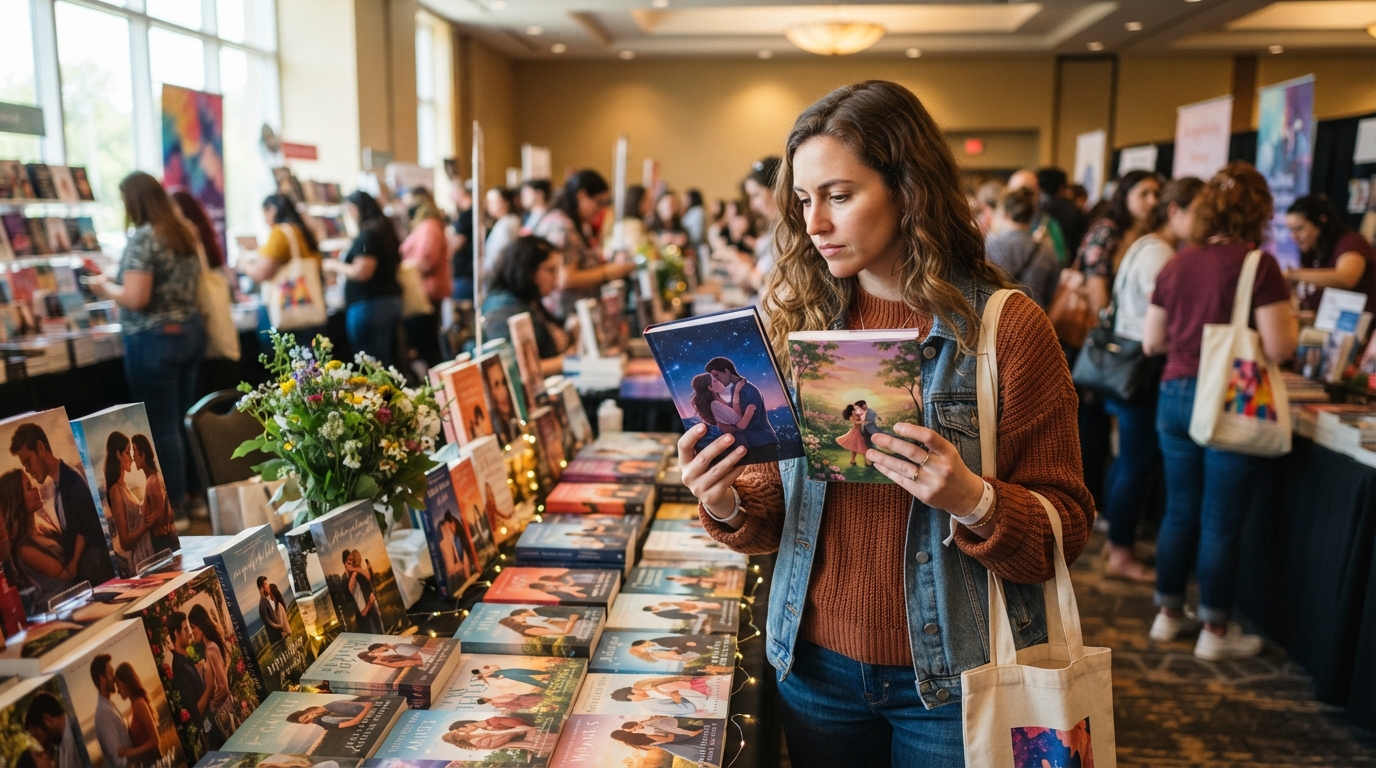
The right convention depends on whether you want to meet romance creators and discover books or build your writing career. If you’re hoping to leave with a list of new binge-reads, look for reader-focused signings and book fairs, along with panels and chances to meet narrators. Compare ticket costs and what admission includes so you can leave room in your budget for books.
Check the event’s author list and program for the romance subgenres you love. If contemporary romance is your thing, you might look for authors with books like The Kiss Quotient. Historical romance fans might seek writers in the vein of The Duchess Deal, while paranormal readers might look for the kind of magic found in Bride. An event’s schedule can help you see whether its panels and signings match your taste.
If you’re an aspiring or working author, a professional conference may be a better fit. Look for writing workshops, networking, and pitch appointments, and check the schedule to see whether those sessions suit your goals and available time.
To find an event close to home, search by region, then confirm the date and venue in the event’s own announcements. Travel time and program length can help you decide whether a day event or a longer convention fits your schedule. If you can’t travel, look for virtual-access ticket tiers where offered, and check which sessions they include.
The 2027 dates below offer a snapshot of reader events and a professional conference. They are examples, not a complete calendar. Announced schedules and ticket inclusions can differ by event.
| Event | Location and dates | Notable programming or tickets |
|---|---|---|
| Hudson River Romance | Tarrytown, New York; March 6 | Free general admission; $75 VIP includes panels, a meet-and-greet, and early signing access. |
| Romantic Rendezvous | Melbourne, March 13; Canberra, March 14; Sydney, March 20; Brisbane, March 21 | Author panels, lunch, signings, and shopping; see the Australian Romance Readers Association announcement. |
| Cass Con | Philadelphia; November 11–13 | Planned six-hour book fair with more than 45 authors, narrators, and vendors; virtual-access ticket tiers planned. |
| Sorry, I’m Booked! Readers’ Conference | August 20–21 | $85 general admission or $199 VIP; panels, a signing, and a Friday murder-mystery dinner. |
| RWA Annual Conference | Portland; July | Professional conference; further details are still to come from Romance Writers of America. |
The Australian Romance Readers Association’s four-city Romantic Rendezvous series is designed around author events and time to browse. The association has shared the 2027 dates and plans.
Cass Con’s $189-per-night hotel rate, plus taxes, is separate from its ticket price. Ticket details are forthcoming, and the event expected tickets to go on sale in mid-November 2026. RWA has announced its July 2027 conference in Portland, with further details still to come from Romance Writers of America.
For a 2026 price comparison, LoveLitCon’s program ran Friday through Sunday. Listed ticket options for the three-day event were $338 for regular admission and $414 for early entry, while a Sunday-only ticket was $99. All prices included fees. Ticket formats can make a big difference to your budget, so compare what each option covers before setting aside money for books and travel.

A typical romance convention day can include author interactions, panels, signings, social activities, and time to browse, though schedules differ from event to event. You might listen to a discussion, meet an author or narrator, then head to a signing or book fair. Panels can give you a closer look at romance topics and the people behind your favorite stories. Signings and meet-and-greets offer time to connect with authors and narrators, while social events give you a chance to chat with other readers. Check the program for timing and any sign-up or entry details. A book fair is a chance to browse and discover new releases, including a swoon-worthy surprise for your next binge-read. Before you go, confirm whether books will be available to buy at the event and how signing arrangements work. Some events let you bring books from home; others may have different rules. Some conventions include meals or special social activities only with particular ticket tiers. Don’t assume every ticket covers a meal, meet-and-greet, or evening event. Review the schedule in advance, then choose the panels, signings, and social activities you most want to attend so you can plan your day around them.
Plan your convention trip by confirming the event and its deadlines first, then matching your ticket, travel, and venue arrangements to your needs. A clear plan helps you keep details straight and leave room in your budget for swoon-worthy books.
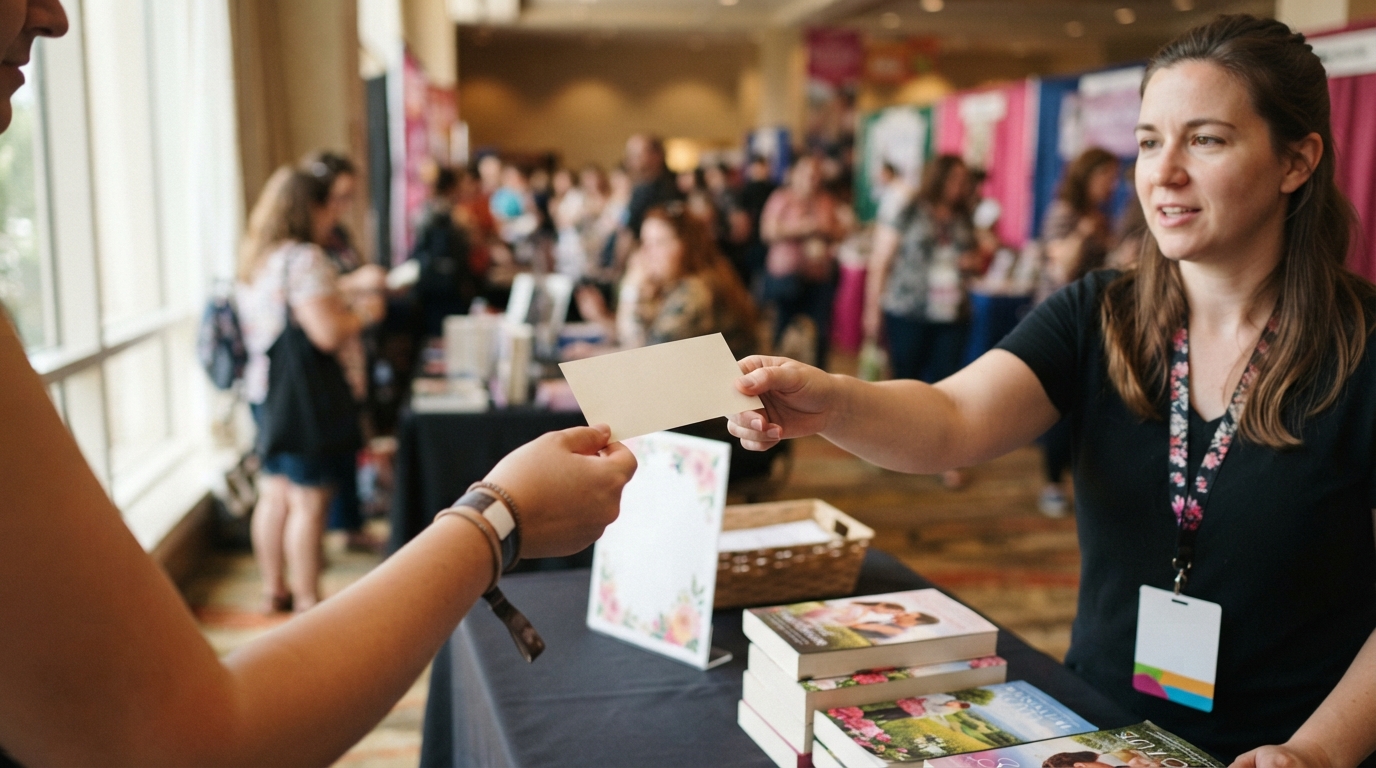
Ticket prices are easier to compare when you look at what each tier includes and what you may pay beyond admission. Hudson River Romance offers free general admission and a $75 VIP option with panels, a meet-and-greet, and early signing access. Sorry, I’m Booked! Readers’ Conference lists $85 general admission and $199 VIP tickets, with panels, a signing, and a Friday murder-mystery dinner among its offerings.
LoveLitCon’s 2026 prices included fees: $338 for regular admission, $414 for early entry, and $99 for Sunday only. Those options cover different lengths of programming, so compare the schedule as well as the price. For an overnight event, add lodging separately. Cass Con’s listed hotel rate is $189 per night plus taxes, not part of the event ticket.
Before registering, check four things: whether fees are included in the advertised price; what panels, meals, early entry, or other activities each tier covers; the refund rules; and whether signing access or special events require a particular ticket. Then consider which parts of the program matter most to you. A higher price does not automatically make a ticket the best fit. Free general admission may suit you if you want to browse, while VIP could be worthwhile if its added access matches your interests and budget. That leaves more room to plan for books and a swoon-worthy new read.
Choose your first convention by deciding what you’re most excited about: browsing for a new binge-read, meeting authors, or focusing on your own writing. Before you look at ticket tiers, write down a few favorite authors or books, such as Emily Henry’s Book Lovers or Tessa Dare’s A Week to Be Wicked. Use that list to see whether an event’s announced guests and panels match your taste.
If you’re in Australia, choose the Romantic Rendezvous city that makes the easiest day trip, then check the Australian Romance Readers Association’s 2027 announcement for event updates. If you’re deciding between a reader event and a writing-focused gathering, ask yourself whether you want to spend your time meeting authors or building craft and industry connections.
For aspiring writers, add the Romance Writers of America Annual Conference to your shortlist and watch the RWA homepage for more program details. For your first reader convention, pick one event and one main goal, such as finding a new-to-you author or hearing a favorite narrator speak. That gives you a simple way to judge whether the schedule is worth your time and helps you save your book budget for the stories you’re excited to bring home.
Romance publishing trends for 2026 point to growing attention for romantasy, sports romance, dark romance, science-fiction romance, audiobooks, and crossover books. In 2025, U.S. romantasy and sports romance each saw triple-digit growth among romance subjects, reports Circana.
Most clear evidence of growth describes 2025, not a full-year forecast for 2026. Romance made up about 9% of Canadian book sales in Q1 2026 even as unit sales generally fell, according to BookNet Canada. Treat these trends as clues as you hunt for your next swoon-worthy binge-read, and look for new formats and free or low-cost ways to read.
The clearest signals shaping romance publishing in 2026 are romantasy, sports romance, dark romance, science-fiction romance, audiobooks, and crossover publishing. Together, they offer clues about changing reader interests and more ways for you to find romance stories.
In the United States, romance print sales were up 24% year to date in 2025 compared with the same period in 2024, with 51 million units sold in the 12 months covered.
Market patterns also vary by country and format. In Canadian category reporting, Bonds of Hercules by Jasmine Mas led Dark Romance titles, while Silver Elite by Dani Francis led Romance / Science Fiction. Print sales, audiobook activity, and subject categories each offer a different view of what’s catching readers’ attention.
As you build your reading list, watch which stories publishers spotlight and which formats they release. A steamy new romance might be available as a print book, ebook, or audiobook, giving you more ways to find a swoon-worthy read that fits your budget.

Romantasy and sports romance are catching readers’ attention because both recorded triple-digit growth among U.S. romance subjects in 2025, according to Circana’s reported subject trends. That growth points to rising visibility, but it doesn’t guarantee that every title in either category will sell well.
Rebecca Yarros’s Onyx Storm Wing and Claw edition sold 1,699,963 U.S. print copies in 2025. That figure covers one edition, not the romantasy category as a whole: Circana BookScan does not have a romantasy category.
Genre-blending brings a love story together with another kind of setting, giving you more ways to find a swoon-worthy read. Romantasy pairs romance with fantasy, while sports romance sets relationships in the world of sports. Icebreaker by Hannah Grace is one example of the latter. These combinations can make for a fresh binge-read, whether you love magic and adventure or the excitement of competition. A library copy or low-cost edition can also help you try a new blend without spending much.
Dark romance and science-fiction romance show sharp Canadian growth. Canadian books assigned the Dark Romance BISAC code grew by more than 100,000% in 2025, with Bonds of Hercules by Jasmine Mas the category’s top seller. Canadian Romance / Science Fiction sales rose 236% that year, led by Silver Elite by Dani Francis. Canada’s wider quarterly results add useful context: romance accounted for about 9% of total book sales in Q1 2026 even though romance unit sales were generally down. A standout subcategory can grow even as sales across romance overall soften.

Yes, audiobooks are changing romance publishing by expanding the listening catalog and giving you another way to discover new love stories. U.S. audiobook sales revenue reached $2.43 billion in 2025, up 9% from 2024. Publishers reported more than 750,000 active audiobook titles, a 43% increase year over year.
Romance was among the top audiobook genres by revenue in 2025, alongside science fiction/fantasy and mysteries, thrillers, and suspense. That means you’ll find swoon-worthy romance among the genres available in audio, though not every book is released in that format.
Audio First publication revenue rose from $91.1 million in 2024 to $136 million in 2025, representing 6% of audiobook net revenue. When a promising new romance catches your eye, check whether it’s available in audio as well as print or ebook. Formats vary by title, so your next binge-read may not be available in every edition.
Publishers are expanding romance lists with crossover imprints and more detailed subject codes, giving you extra clues about the kinds of stories being published. Penguin Random House plans to launch Berkley XO, a New Adult Crossover imprint, in fall 2026. Its first three books will include contemporary romance and romantasy. New Adult Crossover is a publishing label for books intended to reach readers across age-category boundaries. HarperCollins’ MoonFire is set to begin publishing romantasy in 2027, with around 12 novels per year. Its planned list offers another way to explore romance blended with fantasy, alongside Berkley XO’s approach to reaching readers across age categories. Publishers can also identify romance books with more specific BISAC subject codes. The 2025 BISAC Subject Heading List added romance categories for Asian American and Pacific Islander, disability, and neurodiversity, along with seasonal categories for winter, spring, summer, and autumn. More detailed labels can make a wider range of stories easier to find in publishing and catalog records. They don’t guarantee how a retailer will sort or display a book, but they give the industry more ways to describe romance titles.
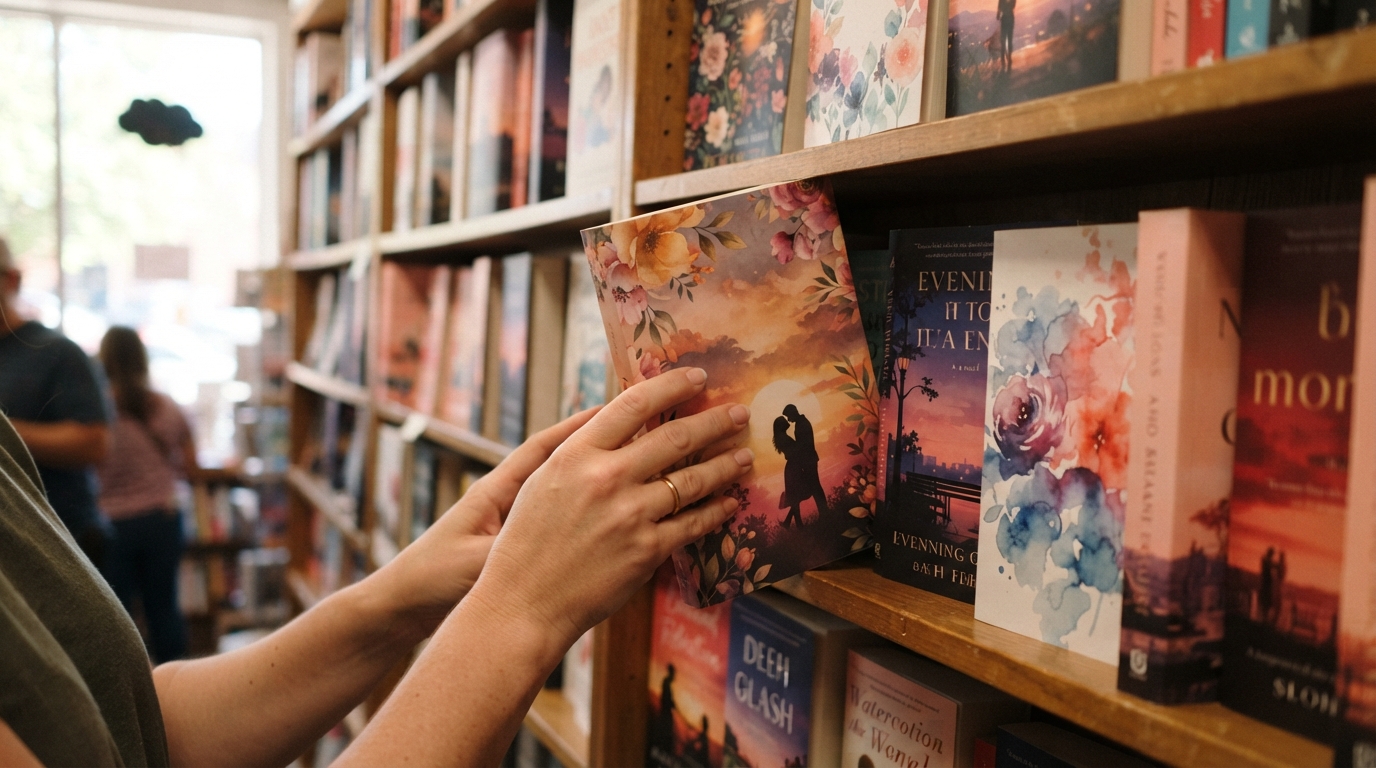
Treat trend reports as clues, not shopping instructions or promises, and use them to spot releases you might enjoy. Watch for new titles that pair love stories with fantasy, sports, science fiction, or darker themes, and check whether audiobook editions appear alongside print and ebooks.
To explore new releases without stretching your budget, check library catalogs, ebook-lending options, and discounted editions where available. Trend reports might point you toward an unexpected, swoon-worthy binge-read, but your personal taste decides what belongs on your list.
Choose one detail you’d like in your next romance: an Asian American or Pacific Islander lead, disability representation, neurodivergent characters, or a seasonal setting. Search for that phrase with “romance” in a library catalog, then check each book’s description and subject labels before borrowing it or placing a hold.
The 2025 list added romance categories for those interests, including winter, spring, summer, and autumn. The labels can help narrow a broad search, but they can’t tell you whether a book’s voice or heat level is right for you.
When a title catches your eye, read a sample before buying, then compare the library’s print, ebook, and audio listings for that exact book. To keep your discovery cheap, check for a library loan before choosing a paid edition. Availability varies by title and format. If the sample clicks, add the book to your queue. If it doesn’t, keep searching for your next swoon-worthy match.
Romance book conventions in 2026 bring together readers who love monster romance, queer books, and stories by Black independent authors. As of October 2, several late-year events were still ahead: Fall in Love New England runs October 23–25 in Marlborough, Massachusetts, with admission options from $10 to $109. Rose Romance Lit Con is scheduled for October 25 in Plainfield, Indiana, though its listing showed it as sold out when checked.
You can also check out RomCon, scheduled for October 24 at Industry City in Brooklyn, or Black Majik Orlando, taking place October 30–31 with tickets starting at $25. Events offer different ways to celebrate your favorite swoon-worthy stories, from author signings and panels to themed activities and marketplaces. Ticket prices, schedules, locations, and availability vary, so consider what you want from a convention: discovering new writers, meeting fellow readers, browsing for your next binge-read, or joining a gathering centered on a particular romance community. Compare each event’s focus and ticket inclusions with your dates and travel plans before deciding.
In 2026, you can choose from genre-wide conventions and gatherings focused on monster romance, queer books, or Black independent authors. Featured events include Monsterotica, LoveLitCon, Lavender Con, the Romance Writers of America author signing, Fall in Love New England, Rose Romance Lit Con, RomCon, and Black Majik Orlando.
Each gathering has its own audience and feel. If you love monster romance, you might enjoy discovering books such as Morning Glory Milking Farm. Queer romance readers may be drawn to stories like A Marvellous Light, while Black romance readers might enjoy Seven Days in June. Lavender Con brings together queer-book communities, and Black Majik Orlando highlights Black independent authors and creators. Other events welcome readers across romance subgenres, giving you chances to find a new author or your next swoon-worthy binge-read.
Events may include author signings, panels, Q&As, marketplaces, and themed activities, but schedules vary. Some gatherings are multi-day conventions, while others focus on a signing or a particular community. Locations, formats, ticket prices, and availability also vary, so think about which books and experiences you’re looking for.
Late-year ticket availability information was checked on October 2, 2026. Ticket status can change, so confirm current availability with the event organizer before making plans. Use this guide to compare each event’s focus and format with your schedule, travel plans, and budget. Start by choosing the romance books and community you want to explore, whether you’re drawn to steamy monster stories, queer love stories, or a gathering centered on Black authors.

Monsterotica is a fit for readers seeking monster romance, Lavender Con centers on queer-book community, and Black Majik Orlando highlights Black independent authors and creators. LoveLitCon offers a different experience, with a three-day schedule that includes panels, signings, a bookstore and vendor marketplace, and an opening-night party.
Monsterotica was scheduled for May 7–9 at the Hyatt Regency Inner Harbor in Baltimore, Maryland. If you enjoy monster romance, a book such as Morning Glory Milking Farm can give you a taste of the subgenre, but it does not represent Monsterotica’s program or featured authors. The gathering’s focused theme may appeal if you want to meet readers who share your interests.
Lavender Con centers on queer-book community, making it a distinct choice if you want to spend time with readers interested in queer stories. It was scheduled for July 25–26 at Hill Center DC. For a taste of queer fantasy romance, try A Marvellous Light. It is a reading example, not a claim about the event lineup.
Black Majik Orlando was scheduled for October 30–31 in Orlando, Florida. The event advertises more than 30 Black independent authors and creators, including romantasy and paranormal romance writers. It may suit you if you want to discover books by Black creators across those romance-adjacent genres.
LoveLitCon’s three-day 2026 schedule included panels, author signings, a bookstore and vendor marketplace, and an opening-night party. That mix gives you more ways to browse and take part than a gathering centered mainly on a specific community or subgenre. The listed activities describe the schedule, but they do not guarantee that every romance subgenre or type of author will be represented.
Conventions are not interchangeable. Their formats, authors, and subgenres can differ. Check each organizer’s program for the actual schedule and the communities, activities, and writers it plans to feature.
As of October 2, 2026, four late-year romance gatherings were still scheduled: Fall in Love New England, RomCon, Rose Romance Lit Con, and Black Majik Orlando. Event dates differ from the date ticket availability was reported. The availability notes below reflect information checked on October 2, and ticket status can change.
Fall in Love New England, October 23–25: The event is scheduled for Marlborough, Massachusetts, with a “One Night Stand” theme featuring speed dating with a romance subgenre. Saturday admission is listed at $15 and Sunday admission at $10. Three-day VIP for $109 and Friday/Saturday VIP for $99 were available for advance purchase through October 5. RomCon, October 24: The first annual event is scheduled at Industry City in Brooklyn. Registration begins at 9 a.m., with programming from 10 a.m. to 6:30 p.m. The schedule includes panels, Q&As, signings, and exclusive merchandise. General admission includes the day’s panels, signings, lunch, and refreshments. VIP adds preferred seating, priority signing access, and a gift bag. The ticket details provided do not state current availability. Rose Romance Lit Con, October 25: The event is scheduled at the Hilton Plainfield Indianapolis Airport in Plainfield, Indiana, with more than 100 author tables. Its Eventbrite listing showed it as sold out when checked on October 2. Black Majik Orlando, October 30–31: This gathering is scheduled at the DoubleTree by Hilton Hotel Orlando Airport. Tickets start at $25, and its advertised lineup includes more than 30 Black independent authors and creators, including romantasy and paranormal romance writers.
Fall in Love New England overlaps with RomCon on October 24 and Rose Romance Lit Con on October 25, so you may need to choose between events on those days. Black Majik Orlando takes place later in the month. Ticket details vary, too: Fall in Love New England lists specific admission options, RomCon explains what general admission and VIP include, and Black Majik Orlando gives a starting price. Rose Romance Lit Con’s reported sold-out status is a snapshot from October 2, not a guarantee of what its listing will show later.

The confirmed 2026 locations in this roundup are Baltimore, Washington, DC, Marlborough, Brooklyn, Plainfield, Albuquerque, and Orlando. The East Coast has several options, with additional gatherings in the Midwest, Florida, and New Mexico.
These locations show where the confirmed events in this roundup are happening, not where you can find a convention in every region. A nearby city may make an event easier to reach, but distance is only one factor. A specialized theme or schedule may make a farther gathering worth considering. You might compare the travel involved in attending a focused community event with the activities and timing that suit your reading interests. Check each event’s confirmed venue and program when making plans, since location alone does not tell you whether the gathering offers the romance-reader experience you want.
Reader tickets range from low-cost single-day admission to higher-priced multi-day or VIP passes, depending on the event and ticket type. Fall in Love New England lists Saturday admission at $15 and Sunday admission at $10. Its advance-purchase VIP options were $109 for three days and $99 for Friday and Saturday. Lavender Con lists a $75 two-day ticket and $40 single-day tickets, giving you a few ways to plan your budget and still leave room for a new swoon-worthy read.
LoveLitCon listed a $338 regular ticket, a $414 early-entry ticket, and a $99 Sunday-only ticket. Ticket sales had ended when the page was checked. These options cover different schedules and levels of access, so a lower Sunday-only price is not directly comparable to a ticket for more of the convention. RomCon’s general-admission and VIP inclusions differ, too. General admission includes the day’s panels, signings, lunch, and refreshments, while VIP adds preferred seating, priority signing access, and a gift bag. Compare access and extras as well as price.
Reader admission is different from paying for an author table. Admission gives readers access to an event, while a table fee is a cost for an author taking part in a signing. At Romance Writers of America’s public signing in Albuquerque, the listed table fees were $75 for a half table and $125 for a full table for conference attendees, or $100 and $150, respectively, for non-attendees. RWA’s public signing details clarify which fees apply to authors, rather than readers choosing a convention ticket.
Before comparing prices, check what each reader ticket includes, such as signing access, meals, early entry, or other extras. Some event listings showed tickets sold out or sales ended when checked, and availability can change. Check the organizer’s ticket page for current availability and the latest inclusions before making plans.
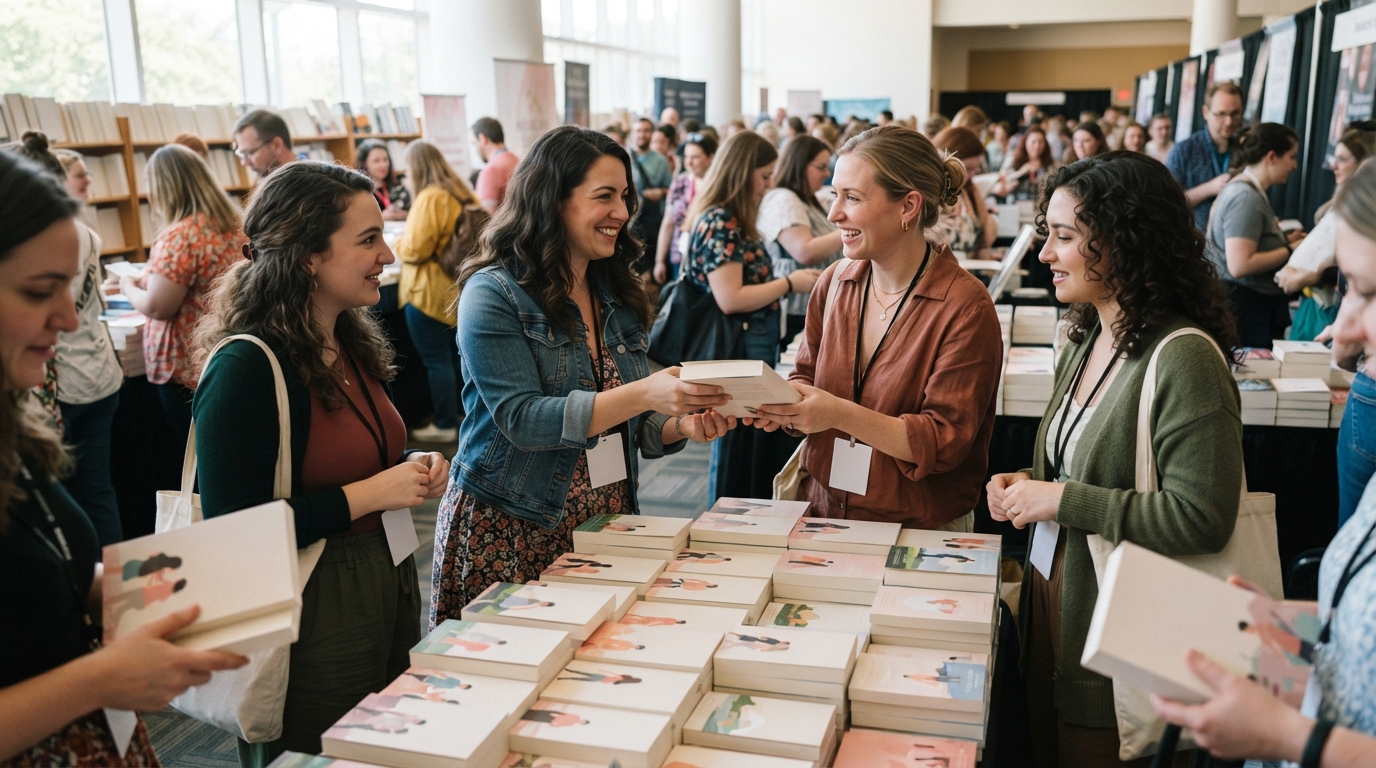
At a romance convention, you can meet authors and fellow readers, browse books and merchandise, and join panels, Q&As, and themed activities. Each event offers a different mix. You might listen to writers talk about their books, find your next steamy binge-read, or chat with readers who love the same subgenres.
You can browse and socialize as well as meet writers. RomCon lists panels, Q&As, signings, and exclusive merchandise. VIP tickets include priority signing access, so your ticket type can affect how you take part.
Themed activities can make a gathering feel especially connected to romance reading. Fall in Love New England’s 2026 “One Night Stand” theme included speed dating with a romance subgenre. You may prefer that kind of activity to a schedule focused mainly on panels or shopping, while another reader may enjoy discovering new authors at a marketplace.
Check whether a signing is public or limited by ticket access before you assume you can attend. A signing on the schedule does not necessarily mean every ticket holder has the same access. Reader entry also differs from author-table or conference fees. Romance Writers of America’s signing details list table fees for authors, not reader admission prices.
Choose your 2026 event by matching its romance focus to your interests, comparing dates and locations with your plans, checking what the ticket includes, and confirming availability with the organizer. A little research can help you spend more time finding your next swoon-worthy read and less time sorting out plans.
If your ideal romance weekend includes themed fun alongside book browsing, put Fall in Love New England on your shortlist and check the organizer’s page for the current schedule and ticket options. If you’d rather spend the day moving between panels, Q&As, and signings, compare RomCon’s general-admission and VIP inclusions before choosing a pass.
For a gathering centered on Black independent writers, check Black Majik Orlando’s current author lineup and ticket availability. If Rose Romance Lit Con is your first choice, check its Eventbrite listing again before making travel plans. The listing showed it as sold out when checked on October 2.
Now match your pick to your weekend. Fall in Love New England overlaps with RomCon and Rose Romance Lit Con, so you may need to choose one. Before paying for travel, confirm the venue, event hours, ticket access, and whether the signing you care about is open to your ticket type. If you’re still torn, choose the event whose confirmed program gives you the best chance to discover a new author or community you want to read more about.
Romance author events in 2026 include October conventions and signings in Orlando, Massachusetts, and Brooklyn, plus an online Eloisa James chat and a November appearance in Las Vegas. Romantasy BookCon Orlando runs October 22–24, Fall in Love New England takes place October 23–25, RomCon is set for October 24, and Black Majik Orlando is scheduled for October 30–31.
From swoon-worthy romantasy to Black speculative fiction with romance, you can find an event that suits your reading tastes and budget. Sunday admission at Fall in Love New England is $10. Eloisa James’s online chat and giveaway is scheduled for October 15 at 7:30 p.m. See her event page for details.
Your 2026 options include Romantasy BookCon Orlando, Fall in Love New England, RomCon, Black Majik Orlando, an online Eloisa James chat, and November’s Reader Nation. Romantasy BookCon runs October 22–24 at Hilton Orlando Lake Buena Vista; Fall in Love New England takes place October 23–25 in Marlborough, Massachusetts; RomCon is October 24 at Industry City in Brooklyn; and Black Majik Orlando runs October 30–31 at DoubleTree by Hilton Hotel Orlando Airport.
Eloisa James lists an online chat on October 15 and Reader Nation in Las Vegas on November 13–14 on her event page. Events include panels, signings, and online chats, so you can choose what suits you, from swoon-worthy romantasy to Black speculative fiction with romance. Check organizers’ latest dates, ticket details, and signing access before you travel. Some signings require advance registration or have limited author slots.
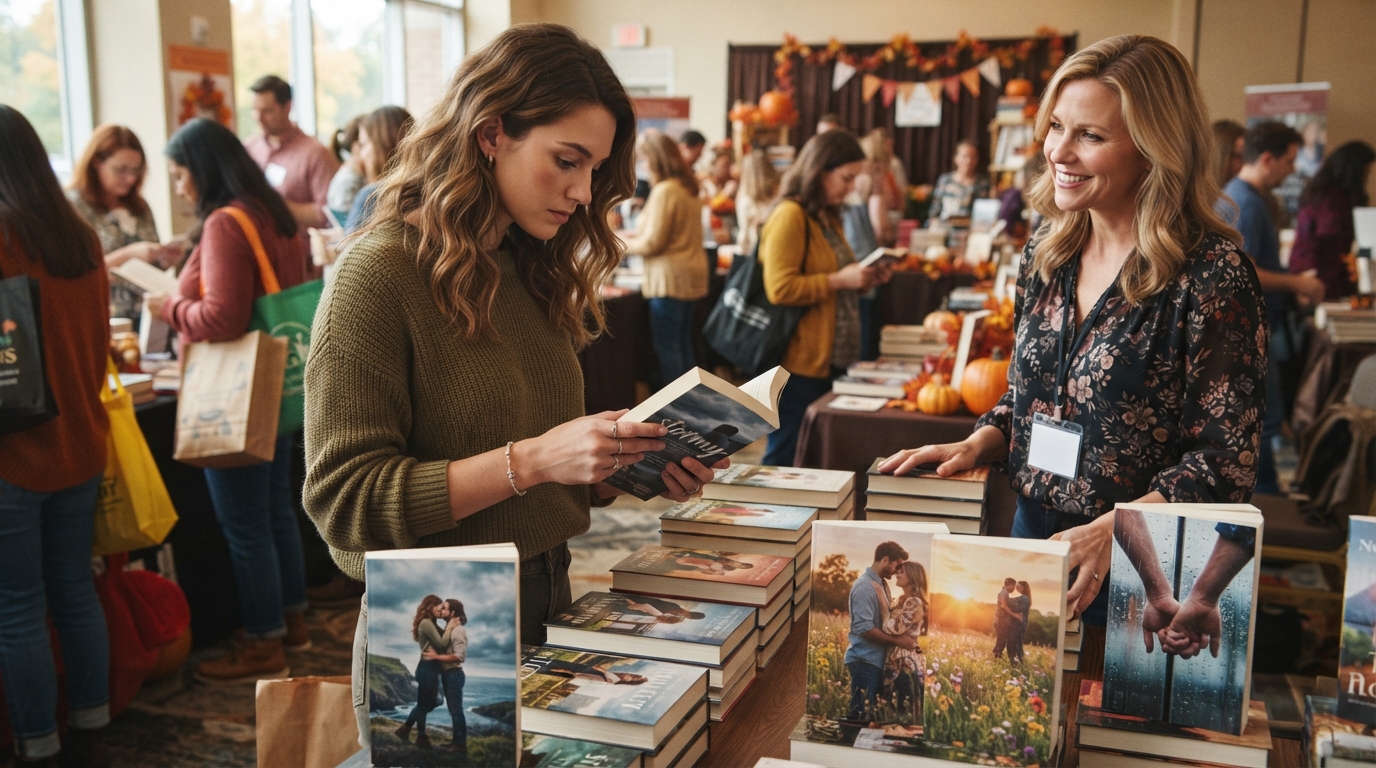
Romantasy BookCon Orlando is a fit if you’re looking for steamy fantasy romance. RomCon offers a full day of panels and signings, while Black Majik Orlando features Black speculative-fiction authors, including romance writers. Your best match depends on whether you want a one-day visit, a weekend event, or a signing-focused gathering.
Romantasy BookCon runs October 22–24 at Hilton Orlando Lake Buena Vista. A one-day Fae pass is $60, a two-day combination pass is $110, and higher tiers range from $295 to $410. The displayed tiers are sold out. Advance registration is required for ticketed-author signings, and a signing spot isn’t guaranteed for every attendee. Check the latest details before planning your visit around meeting a specific author.
RomCon takes place October 24 at Industry City in Brooklyn. Registration opens at 9 a.m., panels begin at 10 a.m., and programming ends at 6:30 p.m. General admission includes the full-day event, panels, Q&As, signings, retail exclusives, lunch, and refreshments. VIP admission adds priority access to signings and a gift bag. Tickets are non-refundable.
Black Majik Orlando is an 18+ celebration of Black speculative fiction, running October 30–31 at the DoubleTree by Hilton Hotel Orlando Airport. Saturday reader passes cost $25–$50; weekend and party passes are $100–$125; and the Emerald all-access VIP pass is $150. The VIP Meet & Greet is October 30 from 6 p.m. to 8 p.m. The October 31 book event runs from noon to 4 p.m., followed by a Halloween party from 7 p.m. to midnight.
Fall in Love New England runs October 23–25, 2026, at 181 Boston Post Road West in Marlborough, Massachusetts. Author panels and meals are scheduled for Friday, and the signing room is open Saturday and Sunday. Reader tickets range from $10 for Sunday admission to $109 for a three-day VIP pass, before ticket service fees. Saturday admission costs $15 before fees and gives you access to the signing room from 10 a.m. to 5 p.m. Sunday admission costs $10 before fees and includes signing access from 10 a.m. to 4 p.m. If signing time is your priority, a Saturday or Sunday ticket gives you access without the three-day VIP pass. Friday’s panels and meals offer another reason to make the event a longer visit.

You can join Eloisa James online on October 15, 2026, at 7:30 p.m. for an author chat and giveaway. With no trip to plan, the online chat is a way to enjoy an author event and some romance-reader excitement from home. Eloisa James is also listed for Reader Nation in Las Vegas on November 13–14, 2026. Every attendee gets a free ticket that includes access to its all-day book signing and panels, making it an in-person option if you’re watching your spending. See Eloisa James’s events page for details.
Choose an event by weighing its location, format, ticket cost, and the authors you most want to meet. Use these steps to check that the ticket and schedule fit your plans.
Choose your next event by deciding what you want most: a signing day, panels, or an author chat from home. If you’re interested in Romantasy BookCon Orlando, check the current ticket page before making plans. The displayed tiers are sold out, and ticketed-author signings require advance registration, with no guaranteed spot.
For Fall in Love New England, compare the $15 Saturday and $10 Sunday passes with the signing hours before choosing. If travel isn’t practical, add Eloisa James’s October 15 online chat at 7:30 p.m. to your calendar, then check her event page for the latest details. Before booking a trip, verify the organizer’s current schedule, ticket availability, and signing instructions.
The 2026 romance reading challenge is a flexible, yearlong plan for discovering new love stories. Follow prompts month by month or shape the plan around your reading pace. Some challenges suggest one romance book per month, while others let you choose your own prompts, making it easier to join in without feeling overwhelmed.
According to the Romance Writers of America, a book fits the romance genre when its central love story ends on an emotionally satisfying, optimistic note. Audiobooks can count, too. In the RWA’s 2017 survey, 35% of romance readers said they listened to them. Make room for a steamy new trope, affordable finds, and swoon-worthy recommendations as you read.
The 2026 romance reading challenge is a reader-friendly way to explore love stories throughout the year. Follow prompts month by month or adapt them to your goals. Think of it as an invitation to find your next swoon-worthy read, not a test of how fast you can finish a stack.
For a clear genre definition, the Romance Writers of America definition describes a romance as a book with a central love story and an emotionally satisfying, optimistic ending. That includes a range of styles, from classics such as Pride and Prejudice to contemporary favorites such as The Hating Game.
Keep your plan simple with one monthly trope prompt, create a choose-your-own-path challenge for the year, or try a shorter seasonal bingo format. Each option gives you a different way to explore romance without committing to a rigid reading list. There’s plenty to discover: Publishers Weekly reported that Circana BookScan data showed U.S. print sales of romance books rose almost 9% in 2024.
The goal is discovery and participation, not checking off every prompt or buying a stack of books. Choose a prompt that suits your mood, find an affordable or free read, and share recommendations or progress along the way. A challenge can help you branch out, whether you find a steamy binge-read or a quiet new favorite.

Build a yearlong reading plan by choosing a monthly goal, then pairing each month with a trope, setting, character type, or format. Use this sample calendar as a starting point, not a checklist you have to follow exactly.
These prompts are original suggestions for this article’s plan, not official requirements for an outside challenge. Swap a prompt whenever another trope, setting, character, or format sounds more appealing. You can also let one book count for more than one prompt if it fits. Keep a short list of possible books for each month so you can choose based on your mood, availability, or budget instead of feeling stuck with one title. A steamy friends-to-lovers read might suit one week, while a fantasy romance could be a fun change of pace.
Explore contemporary, historical, fantasy, paranormal, and dark romance to broaden your reading while keeping a favorite trope close at hand. For contemporary romance, try The Kiss Quotient by Helen Hoang, a modern love story with plenty of heart. If you want a historical setting, Outlander by Diana Gabaldon pairs romance with time-traveling adventure. For fantasy romance, A Court of Thorns and Roses by Sarah J. Maas is a vivid starting point.
Paranormal romance adds supernatural elements to a love story. Twilight by Stephenie Meyer is one familiar example. Dark romance can explore intense relationships and difficult themes, as in Haunting Adeline by H. D. Carlton. Check a book’s content details if a theme or situation might not suit you. A prompt is an invitation to explore, not a reason to read something that makes you uncomfortable.
Your prompt can focus on a trope rather than a specific subgenre. Choose “enemies to lovers” or “fake dating,” then pick a book in any setting that fits. An enemies-to-lovers story could unfold in a contemporary workplace, a historical society, or a fantasy world, so a familiar dynamic can still feel fresh.
Reader recommendations can help you discover new titles as you work toward your personal goal. Share a favorite book that fits a prompt, and you might help another reader find a swoon-worthy next read. Pairing a familiar trope with an unfamiliar subgenre can be a fun way to discover your next steamy binge-read.

Keep your challenge affordable by checking free library options first, reading books you already own, and comparing lower-cost choices before buying. Search your public library’s catalog for each title you’re considering. Libraries may offer print books, ebooks, and audiobooks. If a copy is unavailable, choose another title for the prompt or check back later.
Library sales, used-book shops, and retailer sale sections can offer lower-cost ways to find your next swoon-worthy read. Selection and availability vary, so compare the formats and options you find rather than counting on a particular deal.
Your own shelves are a free place to start. An unread romance you already own might fit a prompt perfectly, even if it wasn’t the title you first had in mind. You can also borrow recommendations from friends and swap ideas about which books match the challenge.
Keep a wish list of titles you want to read, then compare library availability, used copies, and retailer listings over time. For example, if Book Lovers by Emily Henry catches your eye, adding it to the list gives you time to consider different ways to read it before buying.
One book can sometimes satisfy more than one prompt, such as a romance that fits both a trope and a setting. Counting a single title for multiple prompts can make the challenge easier to complete without adding extra purchases.
Yes. Start a personal romance reading challenge whenever you’re ready, even midway through 2026. You can count audiobooks as reading in your own challenge. Begin with the current month’s prompt instead of catching up from January, or choose fewer prompts to fit your schedule. Missing a month doesn’t have to end your challenge.
Audiobooks are a familiar format for romance readers. The Romance Writers of America’s 2017 survey of 2,000 romance readers found that 35% of respondents used audiobooks, according to the Romance Writers of America.
For your own plan, decide what counts and choose rules that keep reading fun. You might count audiobooks or let one book match more than one prompt.
Share your monthly progress in the comments, whether you finished a steamy audiobook, found a book for a tricky trope, or completed just one prompt. Your prompt suggestions and favorite free or affordable finds can help other readers discover their next swoon-worthy read. Reader comments can also give CraveRomance’s editors ideas for future challenge updates and recommendations throughout the year.
Choose your first prompt now: read a fake-dating romance. The Love Hypothesis by Ali Hazelwood is one possible place to start. Check the description to make sure the setup appeals to you, then add the prompt and book title to a note, calendar, or reading tracker.
If The Love Hypothesis isn’t available to borrow or doesn’t fit your budget, search your library catalog for another fake-dating romance or choose one from your own shelf. You only need one title to begin. Decide on later prompts as your reading mood changes. If you prefer listening, choose an audiobook version when one is available and count it according to your challenge rules.
Want help choosing? Leave a comment with the trope you picked and a romance you think fits. Mention whether you read it in print, as an ebook, or as an audiobook, and whether you found it free or at a lower cost. Your recommendation could help another reader find an affordable next read, and reader suggestions can help CraveRomance editors shape future challenge updates.
Romance book bingo 2026 is a collection of reader-made challenge cards, not one universal board. Its prompts can help you discover swoon-worthy books beyond your usual picks. Some cards run all year, while others are seasonal. One year-long challenge, for example, has 25 squares, including wedding trope, office romance, and a book published in 2026. Its rules allow one book per square and run from January 1 through December 31, but other organizers set their own timelines and guidelines. You might fill squares with steamy favorites, try a new author, or choose a book that catches your eye. You can also make the challenge fit your budget by checking books you own or can borrow before buying a title just to tick a box. The 2026 Romance Reading Bingo Challenge is one example, not a template every card follows.
The best card is the one that makes reading feel exciting, not like homework. If you love familiar tropes, choose prompts that point you toward wedding stories or office romance. If you’re craving variety, look for prompts that invite you to explore a less-read genre or a new-to-you author. Some boards focus on romance, while others welcome books from any genre that fit a prompt. Romance Writers of America defines a romance novel by its central love story and emotionally satisfying, optimistic ending. That can help you decide whether a romance-adjacent pick fits a romance-specific square. Romance Writers of America’s definition is a useful starting point, but your chosen challenge’s rules have the final say. A good bingo card leaves plenty of room for comfort reads, unexpected discoveries, and your next binge-read.
Romance book bingo 2026 is a loose name for independently organized reader challenges, not one official card or universal set of rules. Each organizer decides what the prompts cover, how long the challenge lasts, and how readers can share their progress.
The shared idea is to make discovering romance novels feel like a playful goal. A square gives you a reason to reach for a book you might otherwise scroll past, whether it leads you to an unfamiliar author, a fresh trope, or a subgenre outside your usual rotation. The fun is finding a swoon-worthy story that surprises you, not proving you have read every kind of romance.
Some 2026 cards run throughout the year, while others are seasonal editions with a shorter window. Year-long boards may invite readers to explore unfamiliar genres, anticipated new releases, or books adapted for screen; seasonal cards may use prompts drawn from details visible on a cover. Their different formats are part of the appeal: there is no single version every reader is expected to follow.
The cards also reflect a lively moment for romance reading. Circana BookScan reported that U.S. year-to-date print-romance sales were up 24% in 2025 compared with the same period in 2024, with 51 million units sold in the preceding 12 months. Circana’s report on romance sales offers a snapshot of readers’ enthusiasm for the genre.
You can choose a ready-made card that suits the way you like to read, or use its prompts as inspiration for a board of your own. Either way, treat the squares as invitations, not obligations. Romance book bingo is a reading game, so you can enjoy the books you find without making a full card a requirement.

Choose a romance-specific 2026 bingo card if you want every square to point toward a love story. Choose a flexible reading board if you want prompts to lead you into other genres, too. The best fit depends on whether you want to explore romance more deeply or broaden your reading.
Romance-focused boards can organize prompts around tropes, representation, format, or publication year. You might look for an office romance, an LGBTQ+ romance, an audiobook with multiple narrators, or a romance published in 2026. A card might also steer you toward a wedding story if you love the anticipation, family drama, and swoony promises that come with that trope. The 2026 Romance Reading Bingo Challenge includes examples of these kinds of squares.
If you already know which tropes make you reach for a book, a romance-only card can help you find fresh takes on familiar pleasures. One office romance might bring sharp workplace banter, while another pairs a slow-burn attraction with a high-stakes career. Prompts about LGBTQ+ romance or audiobook format can also help you choose a story that feels different from your usual pick without leaving the genre you came to read.
Broader reading boards offer a different kind of nudge. A prompt to try an unfamiliar genre could send you toward fantasy, mystery, or historical fiction. A new-to-you author prompt can introduce you to a fresh voice, while a screen-adaptation prompt might make you curious about a book you have seen discussed beyond book circles. Some flexible boards let any book count as long as it fits the prompt, so a fantasy novel, memoir, or romance can all earn a square. Romance-only challenges, by contrast, require romance titles even when a prompt focuses on format or publication year.
It helps to know what counts as romance when a square says “romance.” Romance Writers of America’s romance definition centers on a love story and an emotionally satisfying, optimistic ending. That definition covers a wide range of settings and styles: Pride and Prejudice offers classic courtship, The Kiss Quotient is a contemporary romance, and A Court of Thorns and Roses brings fantasy into the mix.
A romance-adjacent book may include attraction or a meaningful relationship without making the love story central, or it may not end on an optimistic note. It can still be a great choice for a flexible board or a prompt about fantasy, adaptation, or a new author. For a romance-only square, check the challenge’s rules and choose a title that meets its romance requirement. The distinction helps you match the book to the board, not rank one kind of reading above another.
The rules differ because each organizer sets its own dates, eligible books, square limits, and definition of bingo. Before you start reading, treat the card’s instructions as the rulebook, not as a guarantee that every romance challenge works the same way. The 2026 Romance Reading Bingo Challenge offers one clear example: it has 25 prompts, including wedding trope, office romance, LGBTQ+, audiobook with 2+ narrators, and a book published in 2026. It runs January 1 through December 31, 2026, and readers can join at any time. For this challenge, books must be genre romance with a happily-ever-after or happy-for-now ending, and you can use only one book per square. Those are the rules for this particular card, not universal rules for romance bingo. See the 2026 Romance Reading Bingo Challenge details for its instructions. Other boards may use seasonal windows instead of a full year, or prompts based on details visible on a cover rather than a trope or format. The finish line can change, too: one card may count a five-book straight line as bingo, while another may offer a full-card blackout goal. A year-long challenge can still have a different goal from another year-long challenge, so don’t assume the word “bingo” tells you how many squares to complete. Prompt wording can leave room for interpretation. For example, a square about a wedding trope might mean the wedding is central to the romance, or it might accept a story with a significant wedding scene. An audiobook prompt might specify a narrator count, while a cover-based prompt may ask you to judge only what appears on the cover. If the card does not make the standard clear, look for a note from its organizer before counting a book. A quick check before you begin can save you from finishing a book and finding that it does not fit the square:
Checking those details can also help you choose between a cozy comfort read and a more adventurous pick. You can still follow your curiosity, whether a prompt leads to a steamy office romance or an audiobook with multiple narrators, while knowing exactly what the organizer will count.

You can fill a romance book bingo 2026 card for less by checking books you already own, then exploring borrowing, swaps, sales, and lower-cost formats. The goal is to find a fun, swoon-worthy read, not to spend money just to make a square count. A prompt may match a book you already want to read, so look for an affordable fit before shopping for a specific title. Try this simple order of options to keep costs down while leaving room for a steamy new discovery:
Matching a prompt to a book is often easier than matching a book to a prompt. If a square asks for a particular trope, for instance, look through your collection or ask a librarian for an affordable title with that story element. If you already have a book that seems to fit, check the challenge wording before counting it. A romance-only board may have eligibility rules that a broader reading challenge does not. Borrowing can also help you try an author or subgenre without committing to a purchase. Search the library catalog by author, title, or subject, and ask library staff about other ways to find a book if the copy you want is unavailable. Friends and book swaps can turn a finished read into a new option for your card. Just confirm that the borrowed or swapped book fits the organizer’s rules. Formats can give you more ways to read within your budget. Romance Writers of America’s 2017 buyer study, which surveyed romance readers that year, reported that 92% read print books, 64% read ebooks, and 35% used audiobooks. These figures describe readers’ format habits, not a rule for any bingo card. Check Romance Writers of America’s buyer-study information for the dated findings. An ebook or audiobook may be a convenient option when you can borrow it or find a promotion, but neither format is automatically free or accepted by every organizer. If a square starts to feel like a reason to buy a book you do not really want, pause and look for another title that fits. A challenge should make discovering your next binge-read more enjoyable, not turn every prompt into a purchase.
Prompts can help you read differently when you use them to explore new tropes, subgenres, authors, formats, and stories beyond your usual habits. Instead of treating a square as a strict assignment, think of it as a playful nudge toward a book you might enjoy but would not normally pick up. Start with a familiar kind of romance, then pair it with a stretch choice. If cozy contemporary stories are your comfort reads, follow one with a fantasy romance or a historical romance. The Kiss Quotient can suit a contemporary mood, Pride and Prejudice offers a classic courtship, and A Court of Thorns and Roses mixes romance with a fantasy setting. Each could inspire a different square or help you decide what sounds exciting next. A trope prompt can also lead you into a less-read corner of romance. If you often reach for fake dating, for example, look for a book built around a trope you rarely try, such as a second-chance romance or a marriage of convenience. You can keep the emotional pull you love while changing the setup, setting, or pace. Prompts about authors and formats make room for smaller changes, too. A new-to-you author can bring a fresh voice to a favorite subgenre, while an audiobook prompt might send you toward a story told by multiple narrators. If you usually read print, an ebook or audiobook could offer a different way into a familiar kind of love story. You do not have to change everything about your reading habits at once. Some prompts invite you to choose with your eyes first. If a square asks for a book with a cover that fits a certain color, object, or mood, browse for a title whose cover catches your attention. That can introduce you to an author or story you might have passed over when choosing by trope alone. Check the card’s wording, then let a swoon-worthy cover spark your curiosity. For prompts that feel unfamiliar, make a short wish list of possible books before choosing one. Note a few titles that seem to fit, then pick the one that appeals most and is affordable for you. A book already on your shelf, a low-cost option, or a title you can borrow may make the decision easier without turning the square into a spending chore. Most of all, an unfamiliar prompt is an invitation, not a test. If your first choice is not working for you, swap it for another book that fits the prompt and sounds more enjoyable. The board should leave room for comfort reads alongside stretch picks, so your 2026 challenge stays fun, flexible, and full of swoon-worthy possibilities.

You can track romance book bingo 2026 with one easy method: mark a printable card, keep a digital checklist, jot titles in a reading journal, or use a spreadsheet. Pick whichever feels simple enough to keep up with while you enjoy your next swoon-worthy read.
For every square you fill, record the book title and the prompt it matches. That small note can help later, especially when the connection is not obvious from the title alone or when a book might fit more than one kind of prompt. You could add a short reminder, such as “office romance” or “new-to-me author,” so you remember why you counted it.
A printable card is satisfying if you like seeing your progress on the page. A digital checklist works well if you want to update your squares from a phone or computer, while a reading journal gives you room to add a quick reaction or favorite quote. In a spreadsheet, you can make columns for the prompt, title, author, and completion status. You do not need to use every option. One clear record is plenty.
If no existing card fits the way you read, make a personal tracker. A custom template can combine romance prompts, such as a favorite trope or subgenre, with broader reading goals, such as trying an unfamiliar genre or picking up a new-to-you author. You can also leave open squares for books that catch your eye during the year. If you are following an organized challenge, check its rules before changing prompts or counting a title, since organizers may define eligible books and completed squares differently.
Sharing progress can add a fun social layer, but it is entirely optional. You might share a finished line, celebrate a favorite discovery, or post an in-progress card for friends, a book club, or a reading community. A note about how a book fits the square can also help others find their next steamy read or see a new way to interpret a prompt.
Every reading community has its own rules and sharing style. Some may welcome regular updates, while others may focus on finished cards or use specific formats for posts. Check the organizer’s guidelines before sharing, and remember that no particular platform is required. You can keep your tracker private, share only with friends, or join a group conversation if that suits you.
Refreshing a romance bingo card each year keeps the challenge from feeling repetitive and gives you fresh reasons to browse. Your reading mood can change, new releases bring new possibilities, and the formats you reach for may shift, too. An annual update lets the prompts change with you instead of asking you to revisit the same list.
A lively card can keep familiar favorites alongside prompts that stretch your reading habits. You might save a square for a beloved trope, then add another that points you toward a new-to-you author or a genre you have not tried. If romantic suspense is new to your shelves, for example, Nora Roberts’s The Witness could be one place to start. A format prompt can offer a smaller experiment, such as listening to an audiobook when you usually read print.
A prompt about a book published in 2026 is another way to connect your reading goals to the year itself. It gives you a reason to notice new releases while leaving room to choose a title that genuinely appeals to you. Romance has also drawn strong print-book sales: Publishers Weekly’s sales coverage reported that U.S. print-book sales of romance titles rose almost 9% in 2024.
You do not need to make every square adventurous. Too many stretch prompts can make a card feel like homework, while a board made only of familiar choices may not lead you anywhere new. A mix gives you room for comfort reads and discoveries, whether a prompt points toward a trope you adore or an author whose books you have not yet explored.
Think about what you want your 2026 card to help you discover: a fresh voice, a new corner of romance, or a format that fits your everyday reading life. Choose prompts that feel exciting and achievable, and that are likely to lead you to a book you will want to binge-read. When the year ends, keep your favorite prompts in mind as inspiration for a future edition.
Choose your first square by deciding what you want your next book to do: deliver a familiar romance mood or nudge you toward something new. If you want every pick to be a romance, open the 2026 Romance Reading Bingo Challenge prompt list and choose a square that matches a book you can borrow or already own. Before you start, check the card’s eligibility rules so your first pick counts.
If you would rather stretch beyond your usual reading, make your first square “unfamiliar genre” or “new-to-you author.” If a 2026 release is what you’re excited about, start with a highly anticipated romance instead. Pick the prompt that makes you curious, not the one that feels like an assignment.
Now write the prompt and one possible book title in your tracker. If you do not have a good match, list two other titles you could borrow or find at a lower cost, then choose the one you most want to read. Once you finish, note why the book fits the square. That gives you a clear first win and a useful starting point for choosing your next swoon-worthy read.
A romance reading tracker is a printable or digital place to log finished books, your TBR, favorite tropes, ratings, and series progress. It keeps a growing list manageable and helps you find your next swoon-worthy read, whether you jot notes by hand or use a phone-friendly list. The Romance Writers of America defines romance by a central love story and an emotionally satisfying, optimistic ending.
Your list might hold romantasy like Fourth Wing, sports romance like The Deal, and plenty of steamy discoveries still waiting to be read. U.S. romance print sales were up 24% year to date in June 2025 compared with the same period in 2024, Circana reported. A simple tracker can help you remember what you loved and watch for free or low-cost reads that match your mood.
A romance reading tracker is your personal printable or digital record of finished books, TBR titles, and the details you want to remember, from ratings and favorite tropes to series progress and short reviews. Keep it simple or make room for notes about what made a story swoon-worthy.
Romance has a clear focus that can shape what you track. The Romance Writers of America’s definition of romance fiction centers on a love story and an emotionally satisfying, optimistic ending. Other genres may put a mystery, a battle, or another goal at the heart of the story. As a romance reader, you can use your tracker to note the relationship and the ending that brought a book together.
When your list grows, a tracker gives you one place to see what you’ve finished and what’s still waiting. A quick look at your TBR, ratings, and trope notes can help you choose your next read, whether you’re craving something steamy or ready to binge-read a series. It’s a personal reading tool.
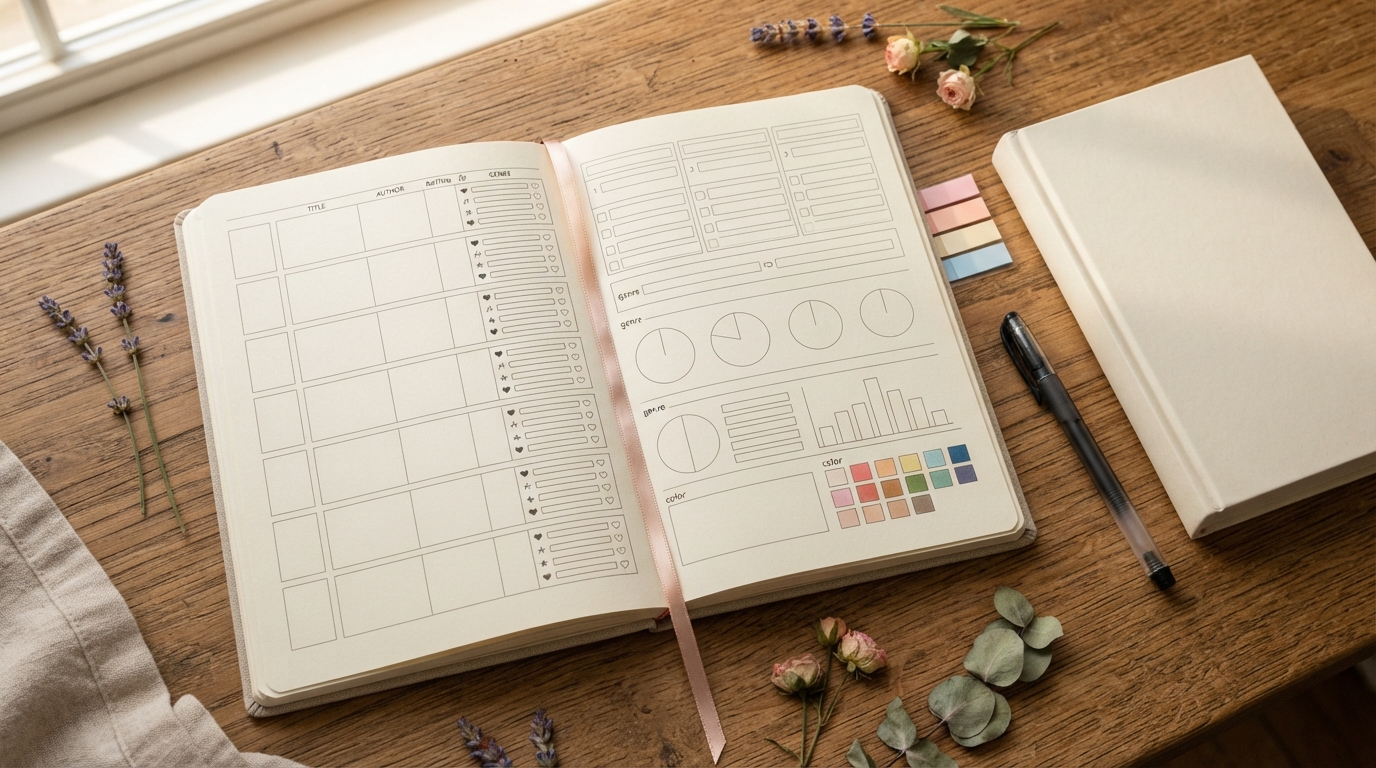
A useful romance reading tracker captures basic book details, reading progress, and the romance-specific notes you care about, without requiring a full review for every title. Choose fields that help you remember a swoon-worthy read or what you enjoy, and leave the rest blank. Book basics: Record the title, author, start and finish dates, format, and reading status, such as reading or finished. Romance details: Note the trope, heat or mood preference, series name, and book number. Your response: Add a rating and review notes. Separate lists: Keep TBR titles you hope to read apart from books you’ve set aside. Trope notes can help you spot patterns in your favorites. You might record rivals-to-lovers for The Hating Game, or label a book sports romance or romantasy when those elements shape the story. Heat and mood preferences can be as simple as “steamy,” “light,” or “comfort read.” A few words can help you remember the kind of emotional experience you wanted when you chose a book. Series name and book number make it easier to see where you are in a story, especially when you pause between installments. Format notes, such as print, ebook, or audiobook, help you remember how you read each title. Keep your rating flexible: a simple star rating may be enough, or you can add a few words about the emotional payoff. Notes like “couldn’t put it down” or “binge-read over the weekend” capture a book’s hold on you without turning every entry into a full review.
A printable, spreadsheet, digital journal, or app can suit different reading styles, convenience needs, and budgets. A printable lets you mark up pages by hand with ratings, trope notes, and series progress. A spreadsheet is easy to customize and sort, so you can group titles by author, format, or reading status. A digital journal may have linked pages for book entries, reviews, TBR lists, and challenges. You can also find low-cost digital journals and printables with features such as book reviews, series reviews, TBR and DNF trackers, trope challenges, and reading challenges. Prices and features vary, so choose the option that fits your budget and the pages you want. An app can keep a reading list or goal on your phone or tablet. Whichever format you choose, make room to record print, ebook, and audiobook reads. The Romance Writers of America’s 2017 survey found that respondents used all three formats: 92% read print, 64% read ebooks, and 35% used audiobooks. A tracker that can note more than one format keeps your reading history useful, whether you’re curled up with a paperback, reading on a screen, or listening as you go about your day. Romance Writers of America’s survey provides the format figures.

You can set up a free romance reading tracker in a blank spreadsheet or notebook, using only the fields and lists you expect to update. A simple layout makes your TBR and reading progress easy to scan without turning your tracker into another project.
Your tracker can help you choose your next romance by turning past ratings, trope notes, and reading preferences into a personal search guide. If your highest ratings cluster around sports romance, romantasy, or swoon-worthy second-chance stories, you’ll know what to look for. You might note titles such as Icebreaker for sports romance or A Court of Thorns and Roses for romantasy, then record the authors and moods you keep returning to.
Circana reported that U.S. year-to-date print romance sales were up 24% in June 2025 compared with the same period in 2024. Its report also identified romantasy and sports romance as fast-growing subjects, which may give you fresh ideas to explore. Circana’s report offers context for those trends, while your own ratings can show which stories feel right for you.
A series-progress field can flag the next installment you want to find, so a gap in your list becomes a useful reminder. A brief DNF note can help you avoid books that weren’t a fit, such as a trope or mood you didn’t enjoy.
When you’re browsing library catalogs, sale listings, or other low-cost reading options, use your tracker’s favorite authors, tropes, and moods as search clues. A match on your list doesn’t guarantee that a title will be available or discounted, but it can help you spot a promising free or cheap read when one turns up.

Update your romance reading tracker whenever it suits you, whether that’s after finishing a book or while tidying your TBR. You don’t need to record every detail; a title, rating, and one note can be enough to remember how a story made you feel.
Celebrate the milestones that matter to you, from finishing a novel to completing a series. Keep goals flexible, and leave space for rereads, audiobooks, and changes in mood. Your tracker should fit your reading life, not turn it into a checklist.
Some weeks, you may savor one slow-burn novel; other times, you may be on a steamy binge-read streak. Either pace belongs on your list. When you want a fresh TBR idea, revisit favorite tropes, unfinished series, or saved titles and see which romance fits your mood.
Take the romance book you’re reading now and make its first entry. Add its title, author, format, current status, and the trope or mood that drew you in. When you finish, return to add a rating and one sentence about the ending. That single entry gives your tracker a real starting point, without leaving you with a blank page to decorate.
Next, add a title you already want to read and note where you heard about it. If the book is on a library list, sale page, or ebook deal list, record that source beside the title so you can check it later without searching from scratch. Mark a price or availability as something to verify, since offers can change.
If you use a reading challenge and read ebooks, check whether your chosen tracker can include those books in your goal automatically. If you prefer paper or a spreadsheet, write your next title on the TBR page and keep the tracker where you plan your reading. Open your chosen format now and enter the book closest to your heart.
Romance books with neurodivergent characters range from Helen Hoang’s adult love stories to young adult romances with autistic heroines and Mazey Eddings’s romance about an ADHD heroine, Lizzie Blake’s Best Mistake. These seven picks are The Kiss Quotient, The Bride Test, The Heart Principle, Two Wrongs Make a Right, Some Like It Cold, Wish You Were Her, and Lizzie Blake’s Best Mistake. Stella is described as having Asperger’s; Khai’s family understands his autism as affecting how he processes emotions; and Anna discovers she is autistic. For YA readers, Some Like It Cold pairs autistic heroine Jasper with a small-town romance, while Wish You Were Her features autistic 18-year-old Allegra Brooks in a rivals-to-lovers story.
Neurodivergence is a broad term, not a clinical diagnosis, and its meaning can vary by context, as NHS England explains. Browse these swoon-worthy picks to find a character or romance setup that clicks with you, then check libraries, used copies, and ebook promotions for a budget-friendly binge-read.
Seven romances feature neurodivergent characters: five adult romances and two young adult romances, with autistic, Asperger’s, and ADHD representation. The books offer a range of leads and romance setups, so you can look for a character or age group that feels right for your next swoon-worthy read. The Kiss Quotient is an adult romance featuring Stella Lane, whom the publisher describes as having Asperger’s. Helen Hoang’s story puts Stella at the center of the romance. The Bride Test is an adult romance centered on Khai Diep. His family understands his autism as affecting how he processes emotions. The Heart Principle is an adult romance about violinist Anna Sun, who discovers she has autism spectrum disorder. Two Wrongs Make a Right is an adult contemporary romance. Its reading guide identifies Beatrice as being on the autism spectrum and Jamie as having anxiety. Some Like It Cold is a young adult small-town romance featuring autistic heroine Jasper. The book is intended for readers ages 13–18. Wish You Were Her is a young adult rivals-to-lovers romance featuring autistic 18-year-old Allegra Brooks. Its listed age range is 13–18. Lizzie Blake’s Best Mistake is an adult romance featuring a heroine with ADHD. Mazey Eddings’s book adds another kind of neurodivergent lead to the mix. From adult love stories to teen romance, small-town charm, and rivals-to-lovers tension, you have plenty of swoon-worthy options. Use these details to find the characters and romance setups you’re most excited to read.

For a contemporary romance with a clearly described heroine, start with Helen Hoang’s The Kiss Quotient. Published June 5, 2018, the book features Stella Lane, whom the publisher describes as having Asperger’s. Stella is at the center of the love story, giving you a clear starting point as you get to know her. If you’re choosing a book based on how directly the publisher names a diagnosis, Stella’s description is the most explicit of these three.
Hoang’s The Bride Test, published May 7, 2019, offers a different point of focus through Khai Diep. The novel frames his autism through his family’s understanding of his emotional processing. This gives you a romance with a character whose setup highlights emotional processing, rather than using the same wording as Stella’s description. This is his family’s understanding of Khai’s autism, not a rule for how all autistic people experience or express emotions.
Chloe Liese’s The Heart Principle follows violinist Anna Sun, who discovers she has autism spectrum disorder. If you’re drawn to a romance about a character’s discovery, Anna’s story stands apart from the two Hoang novels. The publisher’s description is specific to Anna; she isn’t a stand-in for every autistic reader.
Together, these three books offer different ways into adult romance with autistic leads: Stella’s named description, Khai’s family’s understanding of his emotional processing, and Anna’s discovery of autism spectrum disorder. Each keeps a love story at its center while offering a different character to get to know. Choose the one that best fits the kind of heroine or hero you want to spend time with, while remembering that no single story represents everyone’s experience of autism.
Autistic leads appear in both adult and young adult romance. For a YA love story, choose between two books with different romance setups: a small-town romance and a rivals-to-lovers romance.
Macmillan describes Some Like It Cold as a young adult small-town romance featuring autistic heroine Jasper. Published October 1, 2024, the book has a listed age range of 13–18. If you’re choosing a read for yourself or a younger reader, that age range gives you a clear starting point.
Wish You Were Her features autistic 18-year-old Allegra Brooks in a young adult rivals-to-lovers romance. Its listed age range is also 13–18, and its listed on-sale date is August 26, 2025. That date is publication information, not a statement about whether copies are currently available.
The labels point to different hooks: Jasper’s small-town romance and Allegra’s rivals-to-lovers setup. They don’t tell you whether the books share the same tone or reading experience, so choose the premise that sounds more appealing to you.

Mazey Eddings’s Lizzie Blake’s Best Mistake adds a clearly identified ADHD heroine to this guide. Macmillan classifies it as a romance and describes Lizzie as having ADHD. The book went on sale September 6, 2022, making it a specific pick if you want an adult love story with an ADHD lead.
Two Wrongs Make a Right brings together two distinct character descriptions. Its reading guide pairs Beatrice, who is on the autism spectrum, with Jamie, who has anxiety. These details give you an autistic character and an anxious character in the same romance, but Jamie is not described as having an explicitly stated neurodivergent diagnosis.
That distinction matters when you’re looking for a specific kind of representation. A character’s anxiety can be an important part of their story, but anxiety alone doesn’t show that a character is neurodivergent. If you want a clearly identified ADHD heroine, Lizzie is the more direct match. If you’re interested in an autistic character paired with a character who has anxiety, Beatrice and Jamie offer a different setup.
Neurodivergence is a broad term, not a clinical diagnosis. NHS England says it has no nationally or internationally accepted definition and is not included in clinical diagnostic manuals. The term may include people who do not meet diagnostic criteria, and its meaning can change with context. NHS England’s explanation is a useful guide when you see the term in a book roundup.
As you read this list, keep an explicitly named condition separate from a broader interpretation of a character. The descriptions identify Stella in The Kiss Quotient with Asperger’s, Anna in The Heart Principle with autism spectrum disorder, and Lizzie in Lizzie Blake’s Best Mistake with ADHD. You might interpret other traits as neurodivergent, but that’s different from a publisher or reading guide naming a condition. For example, Two Wrongs Make a Right identifies Beatrice as being on the autism spectrum and Jamie as having anxiety. Anxiety alone is not a stated autism or ADHD diagnosis.
Autism does not look or feel the same for everyone. The CDC notes substantial variation in autism signs and support needs, so one character’s experience cannot represent all autistic people. The CDC’s description of autism can help you understand that variation without treating a romance novel as a clinical guide.
As you browse, notice whether a book description names a condition or whether you’re making a broader interpretation. Both can shape how you connect with a story, but keeping the distinction clear helps you describe a character accurately and respect the range of autistic people’s experiences and support needs.

To find a lower-cost copy, check library catalogs, used editions, ebook promotions, and subscription catalogs, then compare the available formats. Availability can vary by title and location, so you may find different options for The Kiss Quotient and Lizzie Blake’s Best Mistake.
Publisher-listed prices vary by title and format. If you compare prices, include the format and the date you checked, since prices can change. Then choose the premise that gives you butterflies and settle in for a swoon-worthy binge-read.
Make a two-book shortlist based on who you’re choosing for and the mood you’re in. For an adult romance with an ADHD heroine, search for Lizzie Blake’s Best Mistake. For a teen reader who wants a small-town romance, try Some Like It Cold. For rivals-to-lovers tension, look up Wish You Were Her.
If you’re choosing books for yourself and a younger reader, pick one adult title and one YA title instead of trying to find one book for both. Search each title in your library catalog and check whether a print or digital copy is available. If your first choice isn’t available, search for your second pick while you wait.
Want a book with an explicitly named character description? Choose one whose publisher or reading guide identifies the condition, then read the description before deciding. If the romance setup matters more to you than the character’s age group, use the small-town or rivals-to-lovers hook to narrow your options. Keep your shortlist handy as you check used copies or ebook offers, and compare the format and condition before choosing. Pick the title that suits your reading mood, and save the other one for your next swoon-worthy binge-read.
Romance book sales statistics show a genre that keeps finding new ways to make readers swoon, along with fresh favorites to binge-read. From the sharp wit of The Love Hypothesis to steamy fantasy romance, the numbers offer a glimpse of what readers are choosing and how quickly their tastes can shift.
Recent figures may count books sold, money earned, or a share of the wider market, so the source and reporting period matter. Comparing those details across print, ebooks, and audio can help you spot reading trends and find more ways to enjoy your next romance, whether you get it free or at a sweet discount.
U.S. romance print-sales estimates put sales at about 51 million copies in 2024, compared with roughly 39 million in 2023. That is an increase of around 31% in books sold, not dollars earned. For context, about 782 million print books were sold across the U.S. in 2024, so romance made up roughly 6.5% of print sales by unit. That share is an estimate based on the two totals, not a measure of romance’s share of book revenue.
The figures point to a genre gaining ground while the wider print market stayed comparatively steady. They do not capture every ebook, audiobook, or direct sale, so the full romance market may look different. These unit counts also do not show how much readers spent. They count copies, and the figures here do not provide a matching romance-only revenue total. Still, the growth helps explain why swoon-worthy favorites such as Icebreaker and The Love Hypothesis are part of the lively conversation about what readers are choosing.

Another U.S. print-sales estimate counted about 51 million romance books sold in 2023, a 39% rise from 2022. That figure covers print copies, not every ebook or audiobook, so it offers only part of the story. A 2023 industry report on revenue across many book categories put audiobook revenue at nearly $2 billion, up about 14%, while ebook revenue was about $1 billion and roughly flat. Those figures cover the wider market, not romance alone, so they cannot show exactly which formats romance readers chose.
For your own reading, the format can matter as much as the swoon-worthy story. A paperback might be the perfect keepsake, while an ebook makes a steamy binge-read easy to carry and often easy to find at a low price. Audiobooks let you enjoy a romance while commuting or doing chores, and their growth across the book market suggests more readers are giving audio a try. Sales reports count different things, such as print copies sold or publisher revenue, so compare them as clues rather than a direct format-to-format scorecard. A deal on a digital favorite or a library audiobook can also help you discover your next read without spending much.
Bestseller lists can give you a useful snapshot of the romances readers are reaching for, but they do not tell the whole sales story. A title’s position reflects a particular list, format, and reporting period, so it can shift as new releases and reader favorites catch on. Icebreaker is a recognizable example of contemporary romance finding a broad audience, while A Court of Thorns and Roses shows the lasting pull of fantasy romance. Their visibility points to reader interest, not a specific number of copies sold.
When you compare lists and sales reports over time, you can spot changing excitement around contemporary romance, romantasy, and other subgenres. Check what each figure measures, since a bestseller ranking, unit sales, and revenue are not the same thing. Those shifts can help you find your next swoon-worthy binge-read, whether you’re browsing a steamy contemporary favorite or escaping into fantasy. If a trend catches your eye, look for a library copy, a sale, or a free promotion before you start reading.
Romance book sales statistics offer a useful snapshot of what readers are reaching for and how the publishing market is shifting. Strong figures can point to growing interest in certain formats or stories, but they do not capture every reader or every sale. Before comparing numbers, check who reported them, what period they cover, and whether they count books sold, revenue, or market share. Those details can change how a trend looks from one report to another.
As fresh reports arrive, you can watch for changes in reader tastes, popular formats, and titles finding new audiences. Treat each update as one piece of a lively, evolving picture, not the final word on what romance readers love. While you follow the numbers, keep discovering your next swoon-worthy read, whether it’s a steamy new release, a free ebook, or a low-cost paperback ready for a binge-read.